
Chainsaw Certification Courses: What Skills Should a Complete Program Cover?
Operating a chainsaw requires more than knowing how to start the machine and make a cut. It involves understanding equipment, identifying workplace hazards, following safe operating procedures, and making responsible decisions in changing conditions. For workers who regularly use chainsaws, proper training is an important part of developing these skills.
However, not every training program covers the same areas. Some focus mainly on basic operating knowledge, while others provide a more complete understanding of equipment preparation, cutting techniques, hazard control, and maintenance. Choosing the right training can help workers become more confident and help employers support safer workplace practices.
Chainsaw certification courses should provide a structured learning experience that prepares participants for the responsibilities associated with chainsaw operation. Understanding what a comprehensive program should include makes it easier for workers and employers to select suitable training.
Understanding Chainsaw Components and Equipment
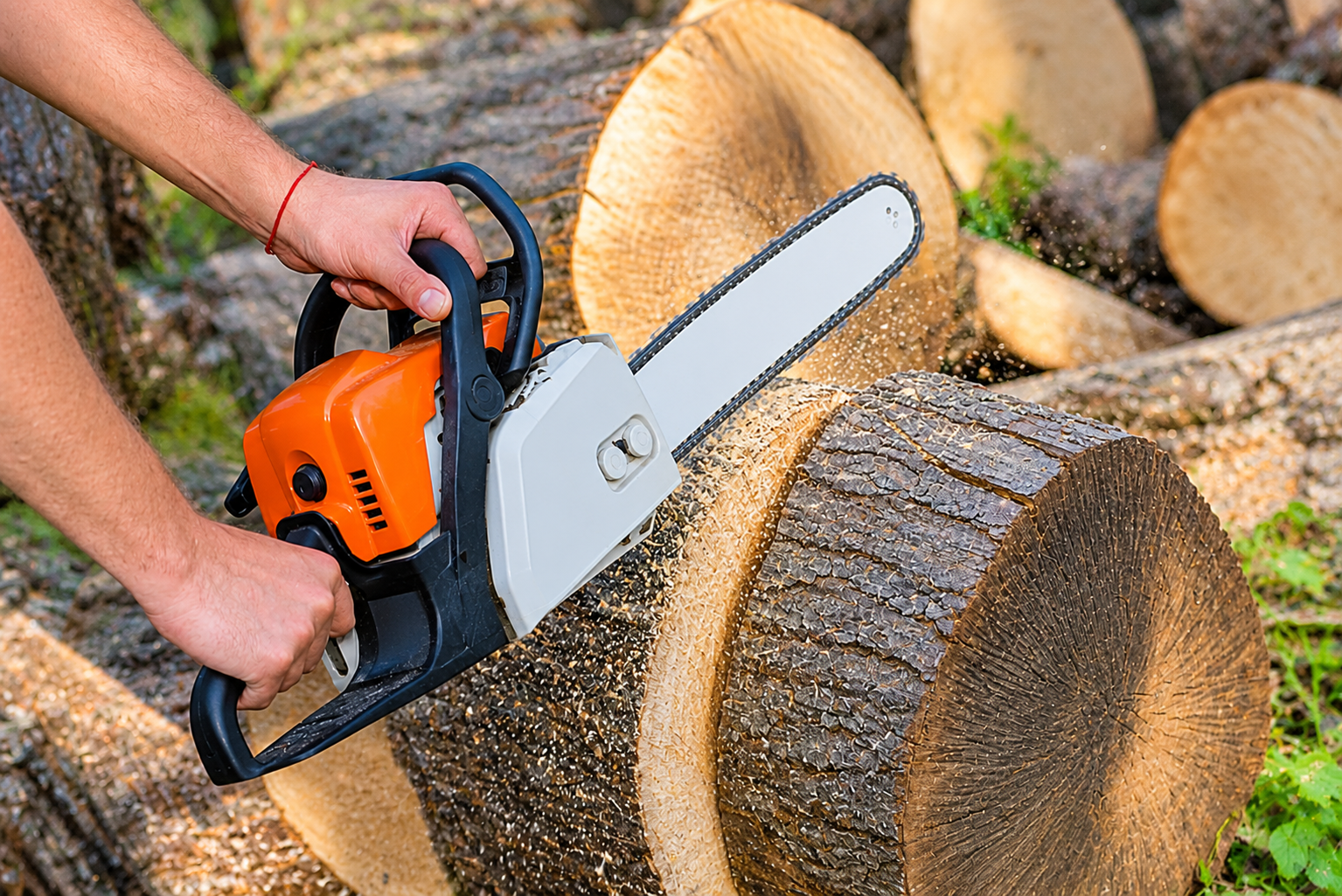
A good training program should begin with the equipment itself. Before operating a chainsaw, workers need to understand its main components, their functions, and how they contribute to safe operation.
This knowledge helps operators recognize equipment problems and understand how different parts work together.
Important Equipment Knowledge
A complete course should explain:
- Guide bars and cutting chains
- Throttle controls and trigger locks
- Chain brakes and safety features
- Handles and protective guards
- Chain tensioning systems
- Lubrication and fuel systems
- Different types of chainsaws
Participants should also learn how chainsaw types and features can vary depending on the intended application.
Understanding the equipment makes it easier to identify potential problems before beginning work. It also helps operators recognize when a chainsaw requires maintenance or professional attention.
Personal Protective Equipment and Safety Requirements
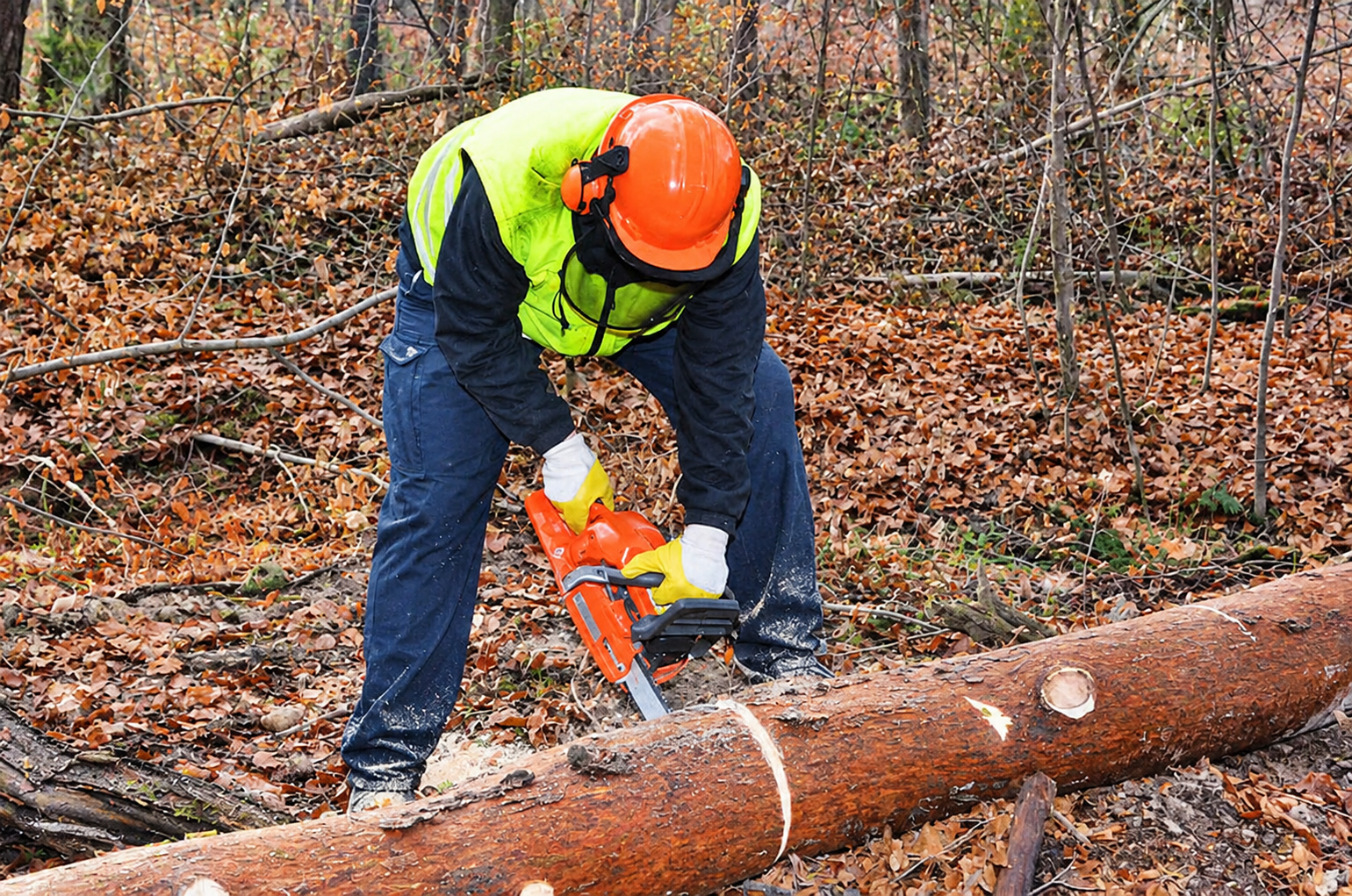
Personal protective equipment (PPE) is an essential part of chainsaw safety. Even experienced operators need to understand the importance of wearing suitable protective equipment and checking its condition before starting work.
A comprehensive program should explain which protective equipment is appropriate for chainsaw activities and why each item matters.
Essential Protective Equipment
Depending on the task and workplace requirements, protective equipment may include:
- Safety helmets for head protection
- Protective eyewear and face shields
- Hearing protection
- Chainsaw protective trousers or chaps
- Suitable protective footwear
- Chainsaw-resistant gloves
Training should explain how to select, inspect, wear, and maintain PPE correctly.
Workers should also understand that protective equipment does not eliminate every risk. It must be used alongside safe operating procedures, appropriate equipment, and effective hazard controls.
Workplace Hazard Identification and Risk Assessment
Chainsaw operators often work in environments where conditions can change quickly. Uneven ground, unstable branches, nearby structures, restricted working areas, and environmental conditions can all influence the safety of a task.
For this reason, chainsaw certification courses should include practical instruction on hazard identification and risk assessment.
What Should Workers Learn?
Participants should understand how to:
- Inspect the work area before starting.
- Identify overhead and surrounding hazards.
- Recognize unstable trees and branches.
- Assess ground conditions and possible obstacles.
- Identify potential risks to nearby workers.
- Recognize wood under tension or compression.
- Determine whether additional controls are necessary.
Workers should also learn when conditions are beyond their training or experience and when work should be stopped.
For employers, this knowledge supports better workplace planning. It also helps supervisors understand whether workers have considered the risks before beginning chainsaw activities.
Safe Chainsaw Starting and Operating Procedures
Starting and operating a chainsaw correctly are fundamental skills. A complete course should explain safe starting methods, operating positions, handling procedures, and the importance of maintaining control throughout the task.
Key Operating Skills
Training should cover:
- Check the chainsaw before starting.
- Understanding the correct starting procedure.
- Maintaining a stable working position.
- Keeping a secure grip on the equipment.
- Using the chain brake appropriately.
- Maintaining awareness of the cutting area.
- Following safe shutdown procedures.
Participants should also understand why rushing, poor positioning, and distractions can increase the likelihood of an incident.
Practical instruction is particularly valuable because workers need to apply these procedures consistently rather than simply remember them from a training session.
Cutting Techniques and Safe Work Practices
Cutting techniques are another important part of a comprehensive chainsaw training program. Operators need to understand how different cutting activities work and how to maintain control of the equipment.
The appropriate technique depends on the material, working environment, equipment, and operator’s level of training.
Important Cutting Skills
A suitable program should introduce participants to:
- Basic cutting techniques
- Cross-cutting procedures
- Limbing principles
- Bucking techniques
- Understanding wood tension and compression
- Recognizing potential kickback situations
- Maintaining safe body positioning
For more insights into safe chainsaw operation and workplace practices, read our other blogs to explore useful safety tips, cutting techniques, and the importance of developing the right skills for different chainsaw tasks.
Chainsaw Maintenance and Chain Filing
Equipment maintenance is not something operators should overlook after completing a cutting task. Regular care helps maintain equipment condition and supports safer, more consistent operation.
Chainsaw safety training should therefore include both pre-operational and post-operational maintenance procedures.
Essential Maintenance Skills
Participants should learn about:
- Cleaning the chainsaw after use
- Checking the cutting chain
- Understanding chain sharpening requirements
- Learning basic chain filing techniques
- Checking lubrication systems
- Inspecting the guide bar
- Recognizing worn or damaged components
- Following appropriate storage procedures
Chain filing is particularly important because a poorly maintained cutting chain can affect cutting performance and operator control.
Workers should also know the limits of their maintenance responsibilities. Repairs involving damaged or defective components should be handled according to manufacturer’s guidance and workplace procedures.
Emergency Awareness and Incident Response
Even when workers follow established safety procedures, unexpected situations can occur. A comprehensive training program should help participants understand how to respond appropriately when an incident or emergency develops.
Emergency awareness is particularly important for workers operating in remote locations or environments where immediate assistance may not be available.
Training should introduce:
- Recognizing an emergency
- Stopping work when an unsafe condition develops
- Securing equipment when appropriate
- Communicating incidents to supervisors
- Understanding workplace emergency procedures
- Knowing how to access first aid assistance
- Reporting hazards and near misses
Workers should understand their responsibilities without attempting tasks beyond their training.
Employers should also ensure that chainsaw training fits within a broader workplace emergency response plan.
Practical Assessment and Competency Evaluation
Knowing the safety rules is important, but workers must also understand how to apply them. This is why assessment should be an important part of a complete training program.
A written assessment can help measure a participant’s understanding of course material. Practical evaluation can provide additional insight into how effectively the participant applies to the skills.
What Should an Assessment Measure?
A well-structured assessment may consider:
- Knowledge of chainsaw components
- Understanding of PPE requirements
- Ability to identify hazards
- Correct pre-operational inspection procedures
- Knowledge of safe starting methods
- Understanding of cutting principles
- Equipment care and maintenance knowledge
- Awareness of operating limitations
Practical evaluation should be appropriate to the training level and tasks being taught.
Southbrook Safety provides an online chainsaw safety course with an assessment designed to reinforce the information covered during training. Participants must achieve the required passing mark to receive their certificate of completion.
Choosing Training That Matches Workplace Responsibilities
Not every chainsaw operator performs the same tasks. A worker involved in basic property maintenance may have different training needs from someone working in forestry, land management, or advanced tree-felling operations.
Employers should consider the responsibilities associated with each position before selecting a training program.
| Worker Role | Relevant Training Considerations |
|---|---|
| Landscaping workers | Equipment checks, PPE, and basic cutting |
| Property maintenance teams | Safe operation and routine maintenance |
| Forestry workers | Cutting techniques and hazard assessment |
| Municipal workers | Worksite safety and environmental awareness |
| Construction workers | Equipment handling and task-specific hazards |
| Advanced operators | More complex cutting and felling competencies |
Employers should also consider previous experience, the equipment being used, workplace hazards, and any applicable training requirements.
What Should Employers Look for a Chainsaw Training Provider?
Finding a suitable provider involves more than checking whether a course offers a certificate. Employers should look at the quality, relevance, and structure of the training.
When comparing chainsaw certification courses, consider the following:
- Industry experience: Look for instructors with relevant knowledge of chainsaw operation and workplace safety.
- Comprehensive course content: Ensure the program covers equipment, PPE, inspections, hazards, cutting techniques, and maintenance.
- Practical learning: Consider whether hands-on instruction is needed for the work being performed.
- Assessment methods: Check how participants’ understanding and skills are evaluated.
- Appropriate training levels: Make sure the course matches the responsibilities of the operators.
- Recognized safety techniques: Look for training built around established safety principles and appropriate industry practices.
Workers searching for a chainsaw certification course near me should also check the provider’s available training formats, service areas, course content, and certification requirements.
A suitable provider should help workers and employers understand what the training covers and whether it meets their particular needs.
Why Choose Southbrook Safety for Chainsaw Safety Training?
Southbrook Safety and Consulting Ltd. provides hands-on and online workplace safety training for workers and employers across Alberta, British Columbia, Saskatchewan, and the Yukon.
The company brings extensive experience in chainsaws and brush saw safety, equipment care, and professional cutting techniques. The training approach focuses on equipment knowledge, hazard identification, safe operating procedures, cutting techniques, and maintenance.
The company also offers an online chainsaw safety course that covers important topics such as:
- Chainsaw components and safety features
- Types of chainsaws
- Physical and site preparation
- PPE and safety requirements
- Hazard assessment and control
- Pre-operational inspections
- Starting methods
- Cutting techniques
- Post-operational maintenance
- Chain filing
Workers and employers can explore the Chainsaw Safety Online Course Overview to learn more about the available online training.
For organizations looking for broader workplace safety support, we also provides safety consulting and other training services.
Conclusion
A complete chainsaw training program should cover much more than basic equipment operation. Workers need to understand PPE, hazard identification, safe starting procedures, cutting techniques, equipment inspections, maintenance, and emergency awareness.
For employers, choosing appropriate training helps ensure that workers understand their responsibilities and have the knowledge required for their assigned tasks. Practical assessment and progressive learning are also important considerations when developing workplace safety programs.
The right training provider can help workers build safer operating habits while supporting employers in maintaining a stronger safety culture.
Southbrook Safety offers online and hands-on safety training designed to address important chainsaw operating and maintenance topics. Contact us to learn more about available chainsaw safety training and find a suitable learning option for your workplace.
Frequently Asked Questions
1. What Do Chainsaw Certification Courses Cover?
They generally cover chainsaw components, PPE, hazard identification, safe operating procedures, cutting techniques, equipment inspections, and maintenance.
2. Is Chainsaw Safety Training Important for Experienced Workers?
Yes. Experienced workers also benefit from reviewing safe procedures, improving their techniques, and keeping their equipment knowledge up to date.
3. Does Chainsaw Training Include Practical Skills?
Training formats vary. Some programs offer hands-on instruction, while online courses focus on safety knowledge and operating principles.
4. How Do I Find a Chainsaw Certification Course Near Me?
Look for providers offering relevant training in your area. Compare course content, instructor experience, assessment methods, and available training formats.
5. Why Should Employers Arrange Chainsaw Training?
Training helps workers understand equipment hazards, follow safe operating procedures, and develop the knowledge needed for their assigned chainsaw tasks.