
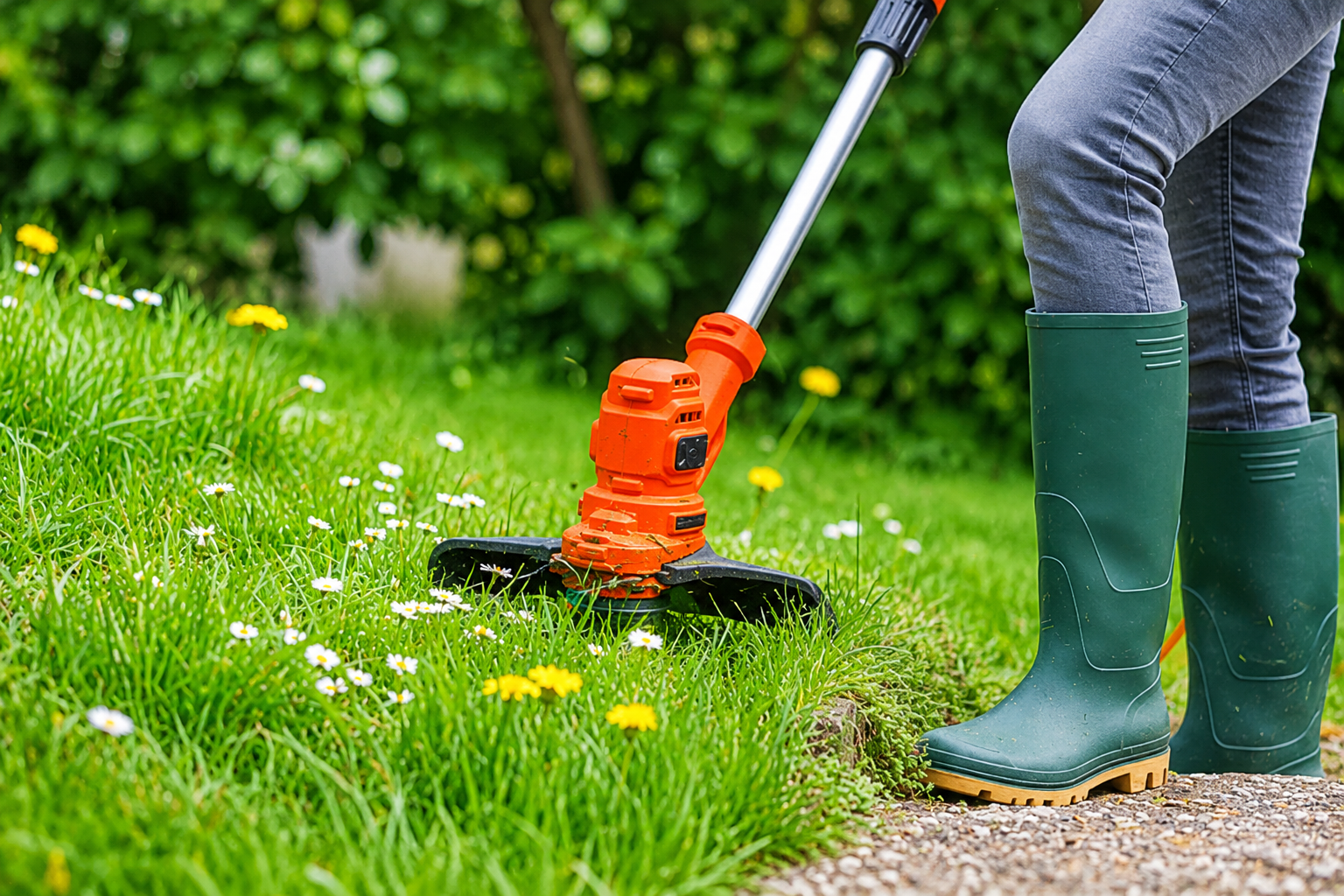
Brush Saw Cutting Techniques: What Operators Need to Know Before Clearing Dense Vegetation
Brush saw cutting techniques are essential for operators who need to clear dense vegetation, manage overgrown areas, and maintain outdoor work sites safely and efficiently. Whether working along trails, utility corridors, roadsides, or forestry sites, field crews must understand how to handle a brush saw, assess vegetation, and maintain control throughout the cutting process.
A brush saw is a powerful tool designed for cutting vegetation that may be too thick for a standard grass trimmer. However, effective operation involves more than knowing how to start the equipment. Operators need to understand cutting methods, blade selection, environmental conditions, equipment limitations, and safe working practices.
At Southbrook Safety & Consulting, workplace safety and practical training are important considerations for workers who use powered equipment in the field. Understanding the fundamentals of brush saw operation helps crews approach vegetation management with greater awareness, consistency, and control.
This guide explains important brush saw cutting techniques, common mistakes to avoid, and the role of brush saw safety training in preparing operators for demanding field conditions.
Understanding Brush Saw Cutting Techniques
Brush saw cutting techniques refer to the methods operators use to cut grass, weeds, brush, and other vegetation while maintaining control of the equipment. The appropriate method depends on the vegetation type, its thickness, the terrain, and the equipment manufacturer’s instructions.
A technique suitable for light weeds may not be appropriate for woody stems or dense brush. Operators must assess the work area before selecting a cutting approach.
Effective techniques generally focus on three priorities:
- Control: Maintain a stable working position and keep the cutting attachment within the intended work area.
- Efficiency: Use suitable cutting movements and avoid unnecessary passes through the same vegetation.
- Safety: Identify hazards, maintain appropriate clearance from other workers, and follow established operating procedures.
Understanding these principles helps field crews’ complete vegetation-clearing tasks without relying on speed or excessive force.
Preparing the Work Area Before Cutting
Preparation is an important part of safe and effective brush saw operation. Before starting the equipment, operators should examine the work area and identify conditions that could affect cutting performance or create hazards.
Inspect the Vegetation and Terrain
Different types of vegetation require different approaches. Tall grass, tangled weeds, woody stems, and dense brush can behave differently when contacted by a rotating blade.
Operators should look for:
- Hidden rocks, wire, fencing, and other obstructions.
- Uneven ground, loose soil, slopes, and slippery surfaces.
- Vegetation that may conceal holes or other ground hazards.
- Nearby roads, pathways, structures, and public access areas.
- Other workers who may enter the cutting zone.
Where visibility is limited, clearing a small area first can help reveal hidden obstacles. Operators should never assume that thick vegetation contains no hazards simply because the ground cannot be seen.
Check the Equipment Before Use
A pre-use inspection helps identify problems before they affect the task. Follow the manufacturer’s instructions and workplace inspection procedures.
Check the following components as applicable:
| Equipment Component | What to Check |
|---|---|
| Cutting attachment | Correct type, secure installation, and visible damage |
| Guard | Proper installation and condition |
| Handle and controls | Secure fittings and correct operation |
| Harness | Correct fit and condition, where applicable |
| Safety controls | Functioning as specified by the manufacturer |
| Fuel or battery system | Leaks, damage, secure connections, and correct setup |
| Protective equipment | Correct fit and condition |
Do not operate equipment with damaged components or defective safety features. Remove it from service and arrange the necessary inspection or repair before use.

Choosing the Right Cutting Technique for the Vegetation
The cutting method should match the vegetation, cutting attachment, and equipment design. Operators should follow the manufacturer’s guidance rather than applying one technique to every situation.
Cutting Light Grass and Weeds
Light vegetation generally requires less cutting force than dense brush. Operators should use controlled movements and avoid forcing the blade through material that can be cleared with a steady, manageable pass.
Keep the cutting attachment at a suitable working height and maintain a stable stance. Avoid sweeping too widely or moving the equipment beyond the range where it can be controlled comfortably.
For larger areas of light vegetation, a consistent cutting pattern can help operators maintain coverage and reduce missed sections. The pattern should account for the terrain, nearby obstacles, and the position of other workers.
Cutting Dense Grass and Tangled Weeds
Dense vegetation can restrict visibility and make it harder to identify obstacles. It can also wrap around the cutting attachment or create uneven cutting conditions.
Operators should approach these areas methodically. Rather than pushing rapidly into thick growth, assess the vegetation and determine whether the equipment is suitable for the task.
Important practices include:
- Work at a controlled pace that allows you to maintain awareness of the surroundings.
- Keep the cutting attachment within the manufacturer’s recommended operating range.
- Avoid forcing the blade into vegetation that resists cutting.
- Stop the equipment if vegetation becomes tangled around the cutting attachment.
- Follow the specified shutdown and isolation procedures before inspecting or clearing a blockage.
If the vegetation is too dense or the equipment is struggling, reassess the task. A different attachment, an alternative clearing method, or additional preparation may be necessary.
Cutting Woody Stems and Brush
Woody stems and thicker brush require particular attention because the cutting attachment may react differently when it contacts rigid material. Incorrect contact can cause the equipment to move unexpectedly or create a kickback hazard.
Operators must understand the cutting attachment limitations and the manufacturer’s instructions for the material being cut.
Before tackling woody vegetation, consider:
- The diameter and stiffness of the stems.
- The direction in which the vegetation may fall or move.
- The potential for the blade to contact hidden objects.
- The risk of material being thrown toward the operator or nearby people.
- Whether the equipment and cutting attachment are approved for the task.
Do not use a technique designed for light grass to cut thicker brush without confirming that the equipment is suitable. If the task exceeds the operator’s training or the equipment’s capacity, stop and seek appropriate guidance.
Personal Protective Equipment for Brush Saw Operators
Personal protective equipment (PPE) is an essential part of brush saw safety. The specific equipment required depends on the machine, cutting attachment, work environment, and applicable workplace requirements.
Operators should use properly fitted equipment specified by the manufacturer and their employer’s safety procedures.
Common PPE considerations include:
- Eye and face protection suitable for flying debris.
- Hearing protection appropriate for equipment noise.
- Protective footwear with suitable grip and support.
- Leg protection designed for the task and identified hazards.
- Gloves appropriate for equipment handling and working conditions.
- Suitable clothing that reduces exposure to vegetation and debris.
PPE does not replace safe operating practices, equipment inspections, or hazard controls. Operators should also check that their protective equipment is in good condition and does not interfere with the controls or harness.
Common Brush Saw Cutting Mistakes to Avoid
Understanding common operating mistakes helps field crews recognize unsafe habits before they lead to equipment damage, inconsistent results, or injuries.
Using the Wrong Cutting Attachment
Not every blade or cutting head is suitable for every type of vegetation. Using an incompatible attachment can affect equipment performance and increase the risk of a hazardous reaction.
Cutting Too Quickly
Working too quickly can reduce awareness of hidden obstacles and make it harder to maintain control. Operators may also miss sections of vegetation or overlook changing ground conditions.
Ignoring Fatigue
Brush saw operation can involve prolonged equipment handling, noise, vibration, and movement across uneven ground. Fatigue may affect coordination, judgment, and concentration. Read our guide on operator fatigue in brush saw work to learn how fatigue affects cutting accuracy, hazard recognition, and safe equipment operation.
Clearing Blockages Without Stopping the Equipment
Never attempt to remove tangled vegetation while the cutting attachment is moving. Follow the manufacturer’s shutdown and isolation instructions, including battery disconnection or other energy-control measures where applicable.
Wait until all moving parts have stopped before inspecting the attachment. If the blockage cannot be removed safely, obtain assistance from a qualified person.
Why Brush Saw Safety Training Matters
Practical instruction helps operators understand how equipment behaves under different working conditions. Reading operating instructions is important, but supervised practice also helps workers develop the coordination and judgment required for field operations.
Brush saw safety training should address the hazards associated with the equipment and the vegetation being cleared.
Key training topics include:
- Equipment components, controls, and pre-use inspections.
- Correct selection and installation of approved cutting attachments.
- Hazard identification and work-area preparation.
- Safe starting, stopping, handling, and shutdown procedures.
- Cutting methods suited to different vegetation types.
- Kickback awareness and control measures.
- PPE selection and correct use.
- Emergency procedures, equipment faults, and incident reporting.
Training should be appropriate to the equipment and the operator’s assigned duties. Workers should demonstrate that they can follow safe procedures before being authorized to operate independently. Explore our latest blogs for more practical insights into equipment safety, operator training, and safe vegetation-clearing practices.
When to Consider Clearing Saw Courses
Clearing saw courses can be valuable for workers who need structured instruction in vegetation management equipment. They may also help employers establish consistent operating practices across field crews.
When evaluating a course, consider whether it includes practical instruction, hazard recognition, equipment-specific procedures, and an assessment of operator competence.
Employers should verify that the course meets applicable workplace requirements and addresses the equipment used on their sites. Refresher instruction may also be appropriate when equipment changes, new hazards arise, or unsafe practices are identified.
Southbrook Safety & Consulting supports a safety-focused approach to workplace operations. Organizations should prioritize training that reflects actual job requirements and helps workers recognize when a task is beyond their current skills or equipment capabilities.
Conclusion
Effective brush saw cutting techniques help operators clear vegetation with greater control, consistency, and awareness of workplace hazards. From preparing the work area and choosing an appropriate cutting method to maintaining a stable position and using the correct PPE, every stage contributes to safer field operations.
Operators should understand the limitations of their equipment, recognize when vegetation presents additional risks, and avoid techniques that exceed their training. Employers can support these practices through equipment inspections, clear operating procedures, supervised instruction, and appropriate brush saw safety training.
Southbrook Safety & Consulting encourages organizations to make practical safety knowledge an important part of their field operations. Whether you are developing operator skills or reviewing workplace training requirements, Contact us to discuss your safety consulting and training needs.
Frequently Asked Questions
1. What are brush saw cutting techniques?
Brush saw cutting techniques are the methods used to cut grass, weeds, and brush while maintaining control of the equipment. The appropriate method depends on vegetation type, terrain, cutting attachment, and manufacturer instructions.
2. What PPE should brush saw operators wear?
Operators generally need suitable eye and face protection, hearing protection, protective footwear, appropriate leg protection, gloves, and suitable clothing. Exact requirements depend on the equipment, workplace hazards, and applicable safety procedures.
3. Why is brush saw safety training important?
Brush saw safety training helps operators recognize hazards, inspect equipment, select suitable cutting methods, use PPE correctly, and respond to equipment problems. Practical instruction can help workers develop the skills needed for their assigned tasks.
4. What should operators check before clearing dense vegetation?
Operators should inspect the terrain, identify hidden obstacles, assess vegetation thickness, check the equipment and cutting attachment, and establish a safe working area. They should also confirm that the equipment is suitable for the task.
5. How can clearing saw courses help field crews?
Clearing saw courses can provide structured instruction in equipment handling, cutting methods, hazard identification, and safe operating procedures. Employers should choose training that matches their equipment, work activities, and applicable workplace requirements.