
Brush Saw Safety Mistakes That Cause Serious Injuries (And How to Avoid Them)
Operating a brush saw is a demanding task that requires physical stamina, mental focus, and a high degree of technical skill. In the forestry and vegetation management industries, these tools are indispensable for clearing undergrowth and managing land. However, the power and speed of a brush saw also make it one of the most dangerous tools in a worker’s arsenal. When safety protocols are ignored, the results can be life-altering.
At Southbrook Safety and Consulting Ltd., we emphasize that understanding the mechanics of your equipment is only half the battle. The other half is recognizing the common brush saw safety mistakes that lead to accidents. This guide provides an in-depth look at these errors and offers actionable advice on how to maintain a safe work environment.
The High Stakes of Brush Saw Operation
A brush saw operates at high revolutions per minute, with a metal blade capable of slicing through thick saplings in a fraction of a second. This same force can cause catastrophic injury if the blade contacts a human limb or if the saw kicks back unexpectedly. Beyond the immediate danger of the blade, operators face risks from flying debris, extreme noise levels, and long-term musculoskeletal strain.
Adhering to proper safety standards is not just about following rules; it is about ensuring every worker returns home healthy. To stay updated on industry standards and safety tips, feel free to visit our blog page for more educational resources.
Mistake 1: Neglecting Daily Maintenance and Inspection
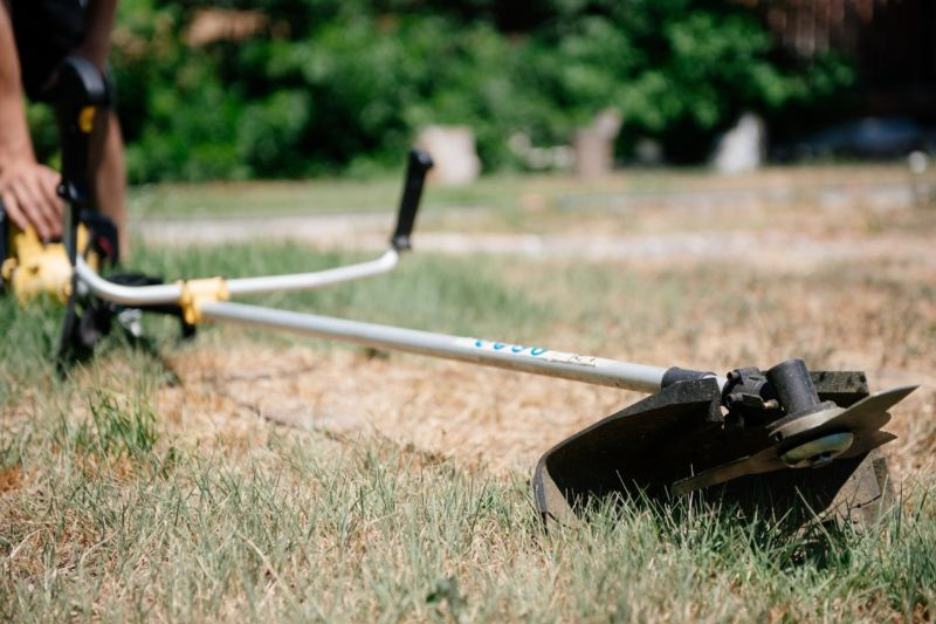
One of the most frequent causes of mechanical failure is a lack of routine checks. Operating a saw with a dull blade, loose bolts, or a malfunctioning throttle trigger is an invitation for disaster. A dull blade requires the operator to apply more pressure, which increases fatigue and the likelihood of the saw slipping or kicking back.
Proper brush saw maintenance and inspection should be the first task of every workday. This includes checking the air filter, ensuring the blade is sharpened to the manufacturer’s specifications, and verifying that the harness is in good condition. If the equipment feels “off” or makes unusual vibrations, it should be tagged out of service immediately.
Mistake 2: Improper Harness Adjustment and Posture
Many operators view the harness as an optional comfort feature, but it is actually a critical safety component. The harness distributes the weight of the saw across the shoulders and hips, reducing the strain on the lower back and arms.
When a harness is poorly adjusted, the saw may hang too low or too high, forcing the operator into an unnatural posture. This not only leads to chronic pain but also reduces the operator’s control over the blade. Maintaining the correct center of gravity is essential for managing the saw during unexpected movements.
Mistake 4: Ignoring the Kickback Zone
Kickback occurs when the upper quadrant of the saw blade hits a solid object like a rock or a heavy stump, causing the saw to jerk violently toward the operator. Many injuries happen because operators are unaware of the “kickback zone” on the blade.
Mastering specific brush saw cutting techniques is the best way to prevent this. For example, using the left side of the blade for most cuts allows for better control. If you are unsure of how to handle different types of vegetation, it is highly recommended to seek professional training. You can contact us to learn more about our specific safety modules.
Mistake 5: Working Without Proper Personal Protective Equipment (PPE)
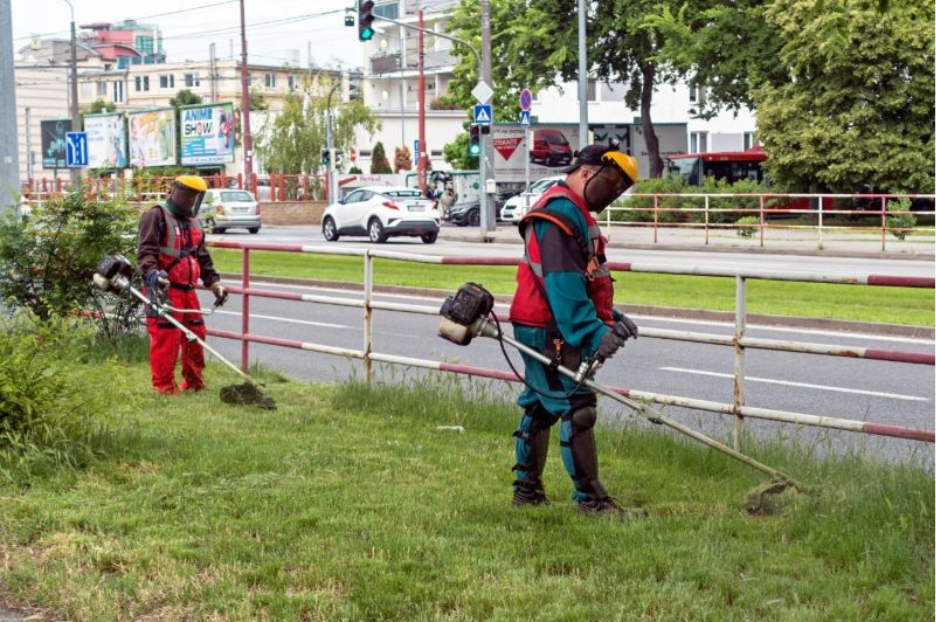
PPE is the last line of defense between an operator and an injury. Skipping even one piece of gear can have severe consequences. At a minimum, every operator should wear:
- A safety helmet with a face shield and ear protection
- Chainsaw pants or brush saw leggings
- Steel-toed boots with high-traction soles
- High-visibility clothing
- Durable work gloves
Noise-induced hearing loss is a common long-term injury for brush saw operators. Using high-quality ear muffs or plugs is non-negotiable for anyone spending hours in the field.
Comparing Safe Practices vs. Dangerous Mistakes
The table below summarizes the key differences between a safe operator and one who is at risk of injury.
| Safety Category | Safe Practice | Common Mistake |
| Blade Maintenance | Sharpened daily and checked for cracks | Using a dull or chipped blade |
| Work Area | Maintains a 15-meter safety radius | Working too close to colleagues |
| Cutting Strategy | Using the correct blade quadrant | Forcing the saw through thick wood |
| PPE Usage | Full gear worn at all times | Skipping eye or ear protection |
| Equipment | Saw is attached to a fitted harness | Carrying the saw by hand without support |
Mistake 6: Lack of Formal Training and Certification
Many people assume that if they can operate a lawnmower or a chainsaw, they can handle a brush saw. This is a dangerous misconception. Brush saws have unique handling characteristics and safety requirements that differ from other power tools.
Obtaining a brush saw certification ensures that an operator has been evaluated by a professional and understands the nuances of the equipment. Southbrook Safety and Consulting Ltd. provides comprehensive training designed to meet provincial standards and keep workers safe in the field. Enrolling in brush saw safety courses is an investment in your career and your physical well-being.
Mistake 7: Failing to Manage the Work Area
A brush saw operator must be aware of more than just the blade. The surrounding environment poses several risks. Failure to clear the work area of tripping hazards or failing to maintain a safe distance from other workers (typically 15 meters) can lead to accidental contact.
Communication is key when working in teams. Hand signals should be established before the saws are started, as the noise levels make verbal communication nearly impossible. Always ensure that non-operators are well outside the danger zone before beginning a cut.
Technical Cutting Skills: The Key to Control
Using the right brush saw cutting techniques involves more than just swinging the saw back and forth. It requires an understanding of tension and compression in the wood. For instance, when cutting a sapling that is bent under tension, an incorrect cut can cause the tree to “spring” back toward the operator.
Operators should also be trained in directional felling with the brush saw. Even small trees can cause injury if they fall in an unexpected direction. Professional brush saw safety courses teach these technical skills in a controlled environment, allowing operators to practice before heading into the field.
Environmental Hazards and Fatigue
The physical environment often contributes to accidents. Slippery slopes, thick mud, or hidden rocks under the snow can cause an operator to lose their footing. When combined with physical fatigue, these hazards become much more dangerous.
Fatigue slows down reaction times and clouds judgment. It is vital to take regular breaks, stay hydrated, and rotate tasks if possible. Southbrook Safety and Consulting Ltd. encourages supervisors to monitor their teams for signs of exhaustion, especially during extreme weather conditions.
The Importance of Equipment Inspection Protocols
A rigorous brush saw maintenance and inspection routine does more than just prevent breakdowns; it builds a culture of safety. When a crew takes the time to inspect their gear every morning, it reinforces the idea that safety is the top priority.
Key inspection points include:
- The Muffler: Check for cracks or loose bolts to prevent fire risks.
- The Blade Guard: Ensure it is securely attached and not deformed.
- The Stop Switch: Verify that it functions instantly.
- The Fuel System: Check for leaks that could lead to fires or chemical burns.
Conclusion
Brush saw safety is a multifaceted discipline that requires the right equipment, the right skills, and the right mindset. By avoiding common mistakes like neglecting maintenance, ignoring the kickback zone, and working without certification, operators can significantly reduce their risk of serious injury.
Safety is an ongoing process of learning and improvement. Whether you are an experienced professional or a newcomer to the industry, there is always more to learn about protecting yourself and your team. We invite you to explore our resources and professional programs to ensure you are operating at the highest safety standards.
For professional guidance and training, please contact us today to see how we can assist your team in achieving excellence in the field.
Frequently Asked Questions
1. Why is a harness so important for brush saw safety?
A harness is essential because it supports the weight of the saw and stabilizes the tool against your body. This prevents back strain and gives the operator much finer control over the blade’s movement, which is critical for preventing accidents.
2. How often should a brush saw blade be sharpened?
For optimal safety and performance, the blade should be checked every time you refuel and sharpened at least once a day. A sharp blade cuts more efficiently and reduces the risk of kickback caused by forcing the tool.
3. What is the standard safety distance between two brush saw operators?
The industry standard is typically a minimum of 15 meters (approximately 50 feet). This distance protects coworkers from flying debris and ensures that if an operator loses control or falls, they will not strike another person.
4. Can I use a brush saw without a formal brush saw certification?
While it may be legal in some private contexts, most professional forestry and vegetation management employers require a valid brush saw certification. This ensures you have the technical knowledge to operate the machinery safely and reduces employer liability.
5. What should I do if my brush saw starts vibrating excessively?
Stop the engine immediately. Excessive vibration is usually a sign of a damaged blade, a loose component, or an engine issue. Consult your brush saw maintenance and inspection manual and do not restart the saw until the source of the vibration is identified and fixed.