
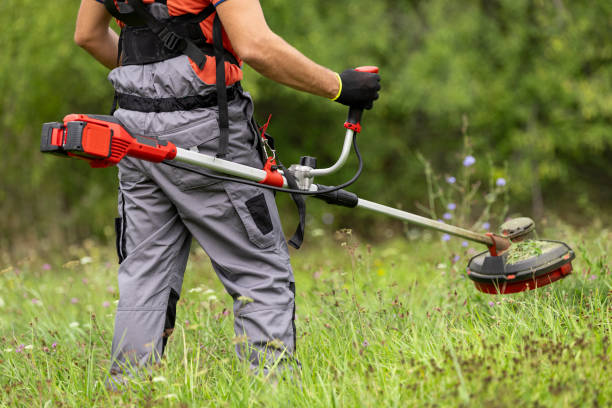
Step-by-Step Guide to Passing Your Brush Saw Certification
Operating a brush saw is a specialized skill that requires more than just physical strength. It demands a deep understanding of machinery, environmental awareness, and a commitment to rigorous safety standards. For workers in forestry, oil and gas, or land management, obtaining a brush saw certification is often a mandatory requirement to ensure workplace safety and operational efficiency.
At Southbrook Safety and Consulting Ltd., we emphasize that certification is not just a piece of paper. It is a validation of your ability to handle high-speed cutting equipment without risking injury to yourself or your colleagues. This guide provides a comprehensive roadmap to help you navigate the process, from initial training to the final assessment.
Understanding the Importance of Brush Saw Training
The brush saw is a powerful tool capable of clearing thick vegetation and small trees quickly. However, the high RPM of the blade and the potential for kickback make it one of the more dangerous tools in a technician’s arsenal. Participating in structured brush saw safety courses ensures that operators are aware of the risks and equipped with the skills to mitigate them.
Professional training covers everything from personal protective equipment (PPE) to the physics of how a circular blade interacts with various types of wood. By choosing a reputable provider like Southbrook Safety and Consulting Ltd., you gain insights from experienced instructors who understand the specific challenges and industry regulations.
Preparing for Your Certification
Preparation begins long before you arrive at the testing site. You must familiarize yourself with the theoretical components of tool operation. Most certification programs are divided into classroom learning and practical field application.
Theoretical Knowledge Bases
You will be expected to understand:
- Occupational Health and Safety (OHS) regulations pertaining to forestry tools.
- The anatomy of a brush saw, including the engine, shaft, and blade assembly.
- Fuel mixing ratios and environmental protection protocols.
- Emergency response planning in remote locations.
Physical and Mental Readiness
Operating a brush saw for a full shift is physically demanding. Ensuring you are in good physical condition will help you maintain the focus required during the practical exam. Fatigue is a leading cause of accidents, so instructors look for candidates who demonstrate stamina and consistent situational awareness.
Essential Brush Saw Maintenance and Inspection
One of the most critical sections of the certification exam involves brush saw maintenance and inspection. A saw that is not properly maintained is a liability. You must demonstrate a systematic approach to checking your equipment before, during, and after use.
Daily Inspection Checklist
Before starting the engine, an operator should perform the following:
- Check the Guard: Ensure the blade guard is securely attached and free of cracks.
- Inspect the Blade: Look for dull teeth, cracks, or missing segments. A dull blade requires more force, increasing the risk of accidents.
- Handle and Harness: The vibration dampening system must be intact, and the harness must be adjusted to the operator’s height to prevent back strain.
- Fasteners: Check that all screws and bolts, especially those holding the blade, are tightened to the manufacturer’s specifications.
Long-term Maintenance
Regularly cleaning the air filter, replacing the spark plug, and greasing the gear head are tasks that extend the life of the tool. During your assessment, you may be asked to explain how these components affect the saw’s performance and safety. To learn more about equipment longevity, visit our blog page for detailed maintenance guides.
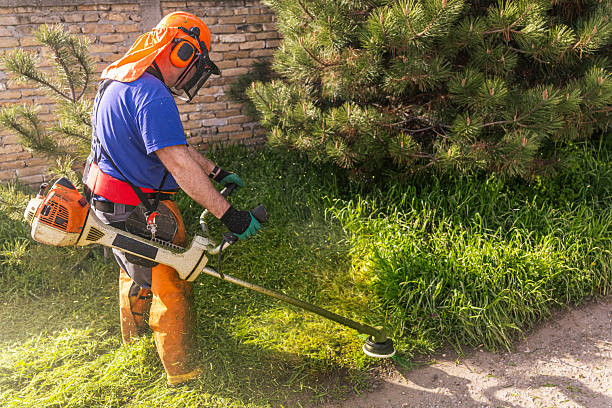
Mastering Brush Saw Cutting Techiques
To pass the practical portion of your certification, you must display proficiency in various brush saw cutting techniques. Instructors watch for precision, control, and the ability to predict where a tree or bush will fall.
| Technique Type | Description | Primary Use Case |
| Right-to-Left Sweep | Utilizing the 8 o’clock to 11 o’clock section of the blade. | Standard grass and light brush clearing. |
| Directional Felling | Making specific notches to control the fall of small trees. | Clearing paths or thinning dense stands. |
| Leveling | Cutting stems flush with the ground. | Preventing tripping hazards on reclaimed sites. |
| Top-Down Cutting | Reducing tall vegetation in stages. | Handling overgrown areas where the base is not visible. |
Avoiding Kickback
Kickback occurs when the upper quadrant of the blade hits a solid object. Mastering the “danger zone” awareness is vital. During the certification process, you will be graded on your ability to position the saw so that the rotational force of the blade works with you rather than against you.
Safety Protocols and Personal Protective Equipment (PPE)
Safety is the cornerstone of all brush saw safety courses. You cannot pass your certification if you fail to wear or properly utilize your PPE.
Required gear typically includes:
- Head Protection: A hard hat with an integrated face shield and ear muffs.
- Eye Protection: Safety glasses worn under the face shield for double protection against flying debris.
- Leg Protection: Brush saw pants or chaps designed to resist snags and impacts.
- Footwear: Steel-toed boots with high ankle support and aggressive tread for uneven terrain.
- Gloves: Vibration-resistant gloves that provide a firm grip without sacrificing dexterity.
What to Expect During the Practical Exam
The practical assessment is where you put your knowledge into action. An evaluator from Southbrook Safety and Consulting Ltd. will observe your workflow from the moment you unload the equipment.
- Site Assessment: You must demonstrate that you have checked the area for bystanders, power lines, and hidden obstacles like rocks or wire.
- Cold Start Procedure: Showing a safe starting technique (on the ground, not “drop starting”) is mandatory.
- Execution of Cuts: You will be asked to clear a specific area or fell several small trees using the correct brush saw cutting techniques.
- Stump Height: Consistency in stump height is often a metric for quality control in professional forestry.
Common Pitfalls to Avoid
Many candidates fail not because of a lack of skill, but because of a lapse in habit. Avoid these common mistakes:
- Forgetting to engage the throttle lock during transitions.
- Working too close to other operators (the 15-meter rule).
- Neglecting to check the fuel levels, leading to engine stalling in the middle of a cut.
- Failing to demonstrate proper ergonomic posture, which leads to early fatigue.
Why Choose Southbrook Safety and Consulting Ltd.
We pride ourselves on providing industry-leading instruction that goes beyond the basics. Our brush saw certification program is designed to meet the rigorous demands of industrial work environments. We focus on real-world scenarios, ensuring that when you leave our course, you are prepared for the challenges of the field.
If you are ready to advance your career and ensure your safety on the job, please contact us to find out about upcoming training dates. We offer flexible scheduling and can even provide on-site training for larger groups.
Summary of the Certification Path
Attaining your credentials is a three-stage process:
- Education: Enrolling in recognized brush saw safety courses to build a foundation.
- Application: Practicing brush saw maintenance and inspection and cutting methods under supervision.
- Validation: Successfully completing the written and practical examinations.
By following these steps and maintaining a mindset of continuous improvement, you will not only pass your exam but also become a leader in workplace safety. For more information on our specific based programs, please visit our page on brush saw certification.
Conclusion
Becoming a certified brush saw operator is a significant milestone for any outdoor professional. It signifies that you possess the technical skill, safety consciousness, and mechanical aptitude required to handle a potentially dangerous tool with precision. Remember that certification is the beginning of your journey, not the end. Regular practice, staying updated on new equipment through Southbrook Safety and Consulting Ltd., and consistently applying the techniques learned in your training will ensure a long and safe career.
Frequently Asked Questions
1. How long does a brush saw certification typically last?
Most certifications are valid for three years. However, some employers or specific worksite contracts may require more frequent recertification or “competency checks” to ensure skills remain sharp.
2. Can I take the safety course online?
While some theoretical components can be reviewed online, a full brush saw certification requires an in-person practical assessment. You must demonstrate your ability to operate the machinery safely in a controlled field environment.
3. What happens if I fail the practical portion of the exam?
If a candidate does not meet the safety or technical standards during the assessment, they are usually given feedback and required to complete additional practice hours before attempting the exam again.
4. Is there a minimum age requirement for brush saw training?
Generally, participants must be at least 18 years old, as this is the standard for most industrial and forestry work sites in accordance with provincial labor laws.
5. Does the certification cover different brands of saws?
Yes, the certification focuses on the universal principles of operation, safety, and maintenance that apply to all professional-grade brush saws, regardless of the specific manufacturer.