
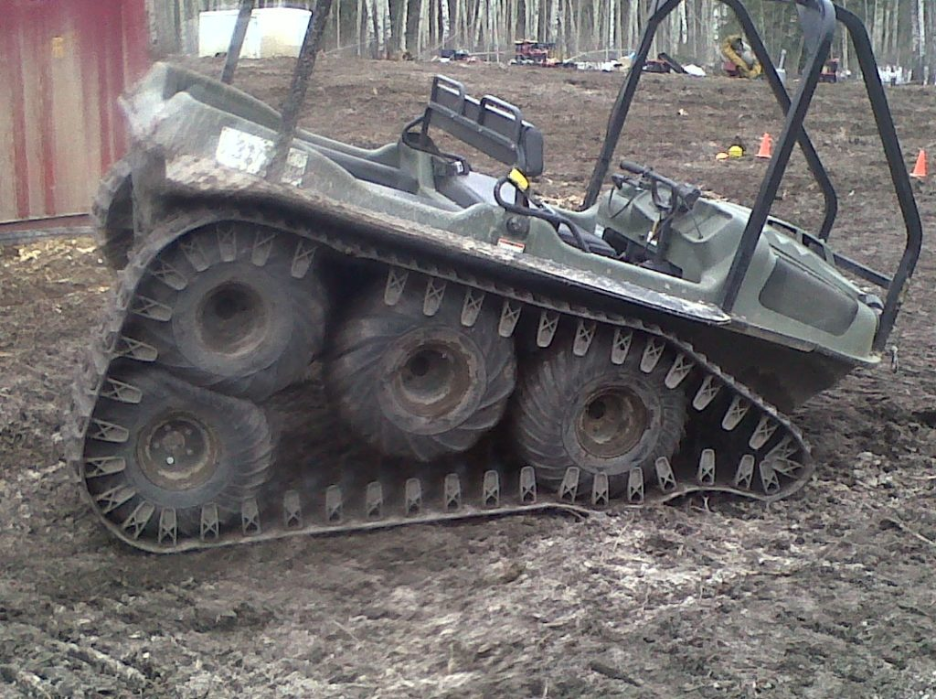
ARGO Safety Essentials: Training for Amphibious Vehicles
Operating amphibious vehicles such as ARGOs requires a specific set of skills, knowledge, and awareness of unique hazards. These vehicles are highly versatile and capable of traversing rough terrain, swamps, snow, and even water. While this versatility makes ARGOs essential in industries like oil and gas, forestry, mining, and emergency response, it also demands a strong commitment to safety. At Southbrook Safety and Consulting Ltd., we specialize in providing expert ARGO training tailored to real-world challenges, ensuring operators are prepared and protected.
Southbrook Safety and Consulting Ltd. offers comprehensive ARGO and UTV training programs designed for high-risk environments. Our team understands the terrain, operational expectations, and regulatory standards required for safe amphibious vehicle operation. This blog will walk you through the essential components of ARGO safety training and why it’s vital for your team’s success.
Understanding the Unique Risks of Amphibious Vehicles
Operating an ARGO isn’t like driving a typical UTV or ATV. These multi-terrain vehicles are engineered to handle extreme environments, but with that power comes complexity. The challenges range from buoyancy and water navigation to rollover prevention and mechanical failure.
When navigating muskeg, icy conditions, steep inclines, or water bodies, the ARGO behaves differently than traditional vehicles. Misunderstanding these characteristics can lead to dangerous situations. That’s why Southbrook Safety and Consulting Ltd. emphasizes hazard identification and risk management from day one in our ARGO safety courses. Our training gives operators the confidence and competence to recognize and respond to evolving terrain and environmental hazards.
Core Components of ARGO Safety Training
At Southbrook Safety and Consulting Ltd., our ARGO training goes beyond basic driving skills. We focus on five essential areas: pre-operation inspections, terrain analysis, safe navigation, emergency procedures, and maintenance awareness. Each component plays a vital role in preventing incidents and ensuring safe operations in unpredictable conditions.
Our certified trainers walk operators through hands-on scenarios, teaching them how to conduct safety checks, assess water entry and exit points, and respond to mechanical issues. These practical modules build muscle memory and critical thinking skills that can save lives. Explore our ARGO training programs to see how we structure learning for maximum impact.
Importance of Pre-Operational Inspections
Before setting out on any mission or work-related task, inspecting the ARGO is mandatory. Pre-operational inspections are the first line of defense against preventable failures. These checks include reviewing tire or track condition, fluid levels, throttle response, brakes, and steering function.
Neglecting even the smallest detail could lead to serious mechanical issues in remote or hazardous areas. At Southbrook Safety and Consulting Ltd., we emphasize consistent inspection routines and provide easy-to-follow checklists during training. These habits can significantly reduce risk and ensure your equipment performs reliably in critical situations.
Terrain Awareness and Vehicle Handling
ARGO vehicles are engineered for challenging environments, but operators must understand how to adapt to various terrains. From rocky slopes to marshy landscapes and frozen surfaces, each terrain type presents unique handling requirements. Steering, throttle control, and balance differ dramatically depending on conditions.
Through our ARGO and UTV safety training at Southbrook Safety and Consulting Ltd., operators gain hands-on experience in navigating these terrains with confidence. We also teach advanced techniques such as weight distribution and managing transitions between land and water. When you’re deep in the bush or crossing icy creeks, every movement counts.
Water Navigation and Buoyancy Safety
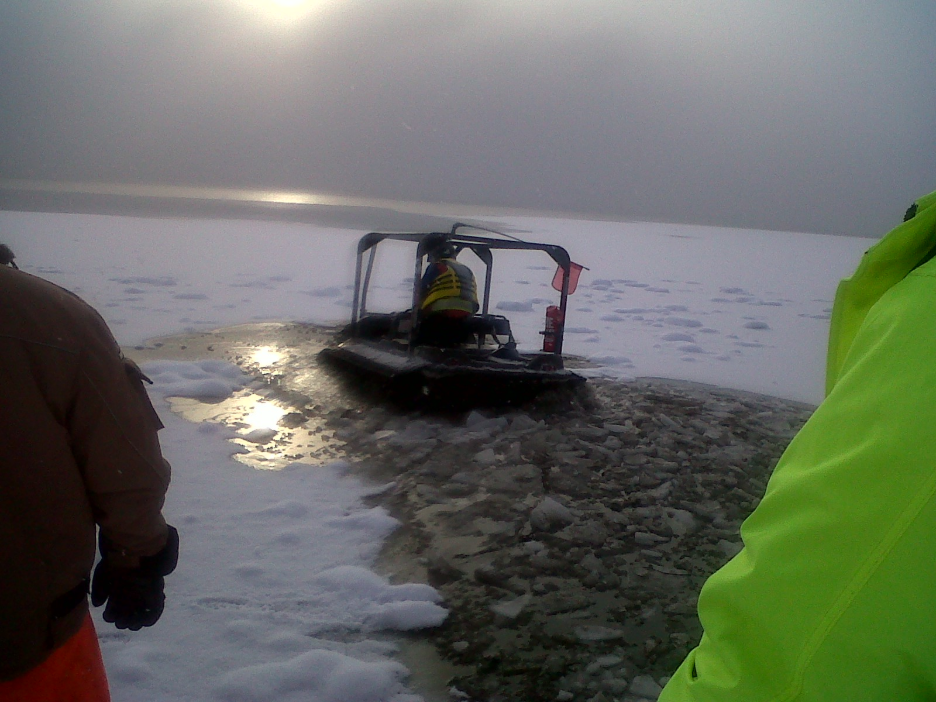
One of the defining features of ARGOs is their amphibious capability. While impressive, crossing water bodies introduces new risks, including capsizing, flooding, and current misjudgment. Operators must understand buoyancy limitations, vehicle loading practices, and water entry/exit strategies.
Southbrook Safety and Consulting Ltd. trains participants to approach water navigation with precision and caution. Our courses include practice drills that replicate real-life scenarios such as emergency floatation, engine water intake prevention, and personal flotation device use. Learn more about our amphibious training focus and how it prepares operators for wet and unpredictable terrain.
Emergency Procedures and Incident Response
Emergencies can happen at any time, especially in remote work environments. Whether it’s a rollover, a submerged vehicle, or a mechanical breakdown, trained ARGO operators must be ready to act quickly and effectively. Our safety programs at Southbrook Safety and Consulting Ltd. incorporate simulated incidents to help trainees rehearse responses.
Participants learn how to secure the vehicle, evacuate safely, communicate with emergency teams, and initiate rescue protocols. These skills are especially crucial in industries that operate in isolated or resource-scarce areas. We ensure that every graduate of our ARGO training knows exactly what to do when the unexpected happens.
Operator Fatigue and Safe Work Practices
Fatigue is one of the most overlooked risk factors in ARGO operation. Long shifts, remote locations, and environmental stress can reduce an operator’s ability to respond and make sound decisions. That’s why Southbrook Safety and Consulting Ltd. includes modules on recognizing fatigue, hydration importance, and team-based work strategies.
Our goal is to create a safety-first mindset that lasts beyond the classroom. By establishing sustainable work habits and situational awareness, operators can reduce the risk of accidents and enhance operational efficiency. Our UTV/ARGO training programs are designed to support both individual performance and team success.
Maintenance, Troubleshooting, and Mechanical Readiness
Regular maintenance and troubleshooting are key to ensuring ARGO reliability. An unexpected failure can jeopardize not only a job but also operator safety. Our training includes preventive maintenance strategies, how to identify early signs of wear, and quick fixes that can be done in the field.
With Southbrook Safety and Consulting Ltd., trainees get familiar with the components of their ARGO, including tracks, engines, electrical systems, and more. This mechanical awareness helps minimize downtime and prevent potentially dangerous malfunctions during operations. Contact us to find out more about the maintenance aspects of our training.
Complying with Industry Standards and Regulations
Various industries that rely on ARGOs—such as oil and gas, forestry, and public safety—are governed by safety regulations. Operating without proper certification can result in fines, legal complications, and increased liability. That’s why Southbrook Safety and Consulting Ltd. ensures that our training aligns with industry best practices and government standards.
Our certified instructors guide participants through documentation, licensing, and reporting procedures so they remain compliant. More importantly, we help organizations maintain a culture of accountability and proactive safety. Ensuring compliance is not just a box-ticking exercise—it’s a commitment to protecting people and assets.
Building Confidence Through Realistic Scenarios
The best safety training doesn’t happen in a classroom alone. It’s built through experience, repetition, and realistic simulations. At Southbrook Safety and Consulting Ltd., we provide immersive ARGO training environments that challenge operators to apply what they’ve learned in dynamic, controlled settings.
Whether it’s a steep incline recovery drill or navigating through deep muskeg, our exercises simulate what operators will actually face in the field. This experiential learning builds confidence and preparedness, which is crucial when making split-second decisions in remote and unpredictable environments.
Why Choose Southbrook Safety and Consulting Ltd.?
When it comes to amphibious vehicle safety training, experience matters. Southbrook Safety and Consulting Ltd. brings decades of field experience, hands-on instruction, and industry insight to every training course. We’re not just instructors—we’re safety partners committed to your team’s well-being and operational success.
By choosing us for your ARGO and UTV training needs, you gain access to tailored programs, certified trainers, and a company that understands the demands of real-world work sites. Visit our website or get in touch with our team to start building a safer, more capable team today.
Frequently Asked Questions (FAQ)
1. What industries benefit most from ARGO safety training?
ARGO vehicles are commonly used in industries such as oil and gas, mining, forestry, emergency services, and remote exploration. These environments demand advanced mobility and therefore benefit significantly from targeted ARGO training.
2. Is ARGO training mandatory for operating in certain areas?
While not legally required in all regions, ARGO training is often a standard for companies that prioritize safety and liability reduction. Many employers and industries require it for insurance and regulatory compliance.
3. What’s included in Southbrook Safety and Consulting Ltd.’s ARGO training?
Our training covers vehicle inspection, terrain handling, water navigation, emergency procedures, and maintenance. We also include modules on fatigue management and compliance with industry standards.
4. How long does an ARGO training course typically take?
Most ARGO training programs at Southbrook Safety and Consulting Ltd. range from one to three days, depending on the complexity of the terrain and client needs. Custom training schedules are also available.
5. Do trainees receive certification after completing the course?
Yes. Successful participants receive a certificate from Southbrook Safety and Consulting Ltd., validating their competence in operating ARGO vehicles in industrial or remote settings.
6. Can ARGO training be tailored for a specific worksite?
Absolutely. We offer customized ARGO and UTV training programs designed for the specific environmental challenges and operational goals of your organization.
7. How do I enroll my team in ARGO safety training?
You can contact Southbrook Safety and Consulting Ltd. directly through our website to schedule training sessions or request a consultation.
Conclusion
Safety doesn’t happen by accident—it’s built through knowledge, preparation, and consistent practice. Southbrook Safety and Consulting Ltd. is proud to be a trusted leader in ARGO and UTV training for rugged environments across Canada. Our comprehensive programs equip operators with the skills they need to manage amphibious vehicles safely and effectively. From remote site navigation to emergency response, we’re here to ensure your team is ready for whatever terrain comes their way.
Explore our UTV/ARGO training offerings or contact us today to begin your journey toward safer, smarter operations with Southbrook Safety and Consulting Ltd.