

How Do Professional Operators Use Brush Saw Cutting Techniques on Tough Vegetation?
Professional vegetation management requires more than physical strength or powerful machinery. It demands technical skill, sound judgment, and a detailed understanding of how vegetation behaves when cut. At Southbrook Safety, training materials and educational resources emphasize that proper brush saw operation is a critical component of safe and effective vegetation control in demanding work environments.
This article explains how experienced operators apply brush saw cutting techniques when managing dense brush, woody growth, and uneven terrain. It also examines the importance of structured training, routine inspection, and safety awareness to ensure reliable, repeatable results across different work conditions.
Understanding Tough Vegetation and Why Technique Matters
Tough vegetation includes dense shrubs, fibrous undergrowth, saplings, tangled vines, and invasive plant species that resist standard cutting approaches. These environments create challenges such as restricted visibility, unstable footing, blade binding, and increased physical strain on the operator.
Using improper techniques in these conditions can lead to inefficient cuts, equipment wear, and elevated injury risk. Professional operators rely on refined cutting techniques to:
- Maintain consistent blade control during prolonged tasks
- Reduce strain on the arms, back, and shoulders
- Protect surrounding vegetation and soil structure
- Improve productivity without compromising safety
- Meet workplace safety and operational standards
The quality of brush saw operation depends as much on operator technique as on equipment capability.
Core Brush Saw Cutting Techniques Used by Professionals
Correct Body Positioning and Stance
Professional operators maintain a balanced stance with feet shoulder-width apart, knees slightly flexed, and weight evenly distributed. This posture provides stability when working on uneven ground and allows the operator to respond quickly to resistance or unexpected movement.
Maintaining correct posture also reduces long-term fatigue and helps operators maintain control during extended cutting sessions.
Controlled Sweeping Motion
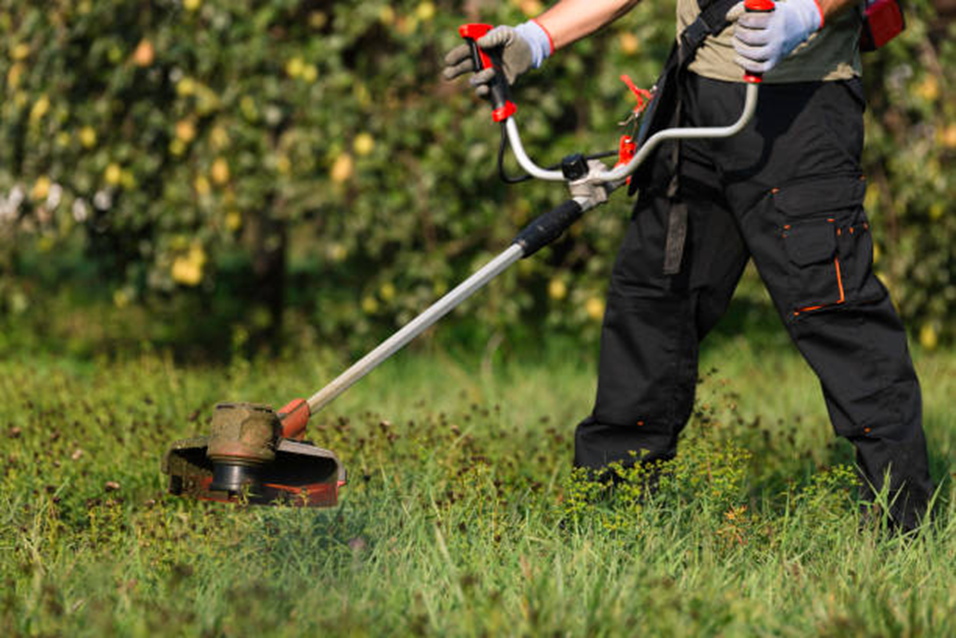
One of the most fundamental brush saw cutting techniques is the controlled sweeping motion. Instead of chopping or forcing the blade, professionals guide it smoothly from right to left in a deliberate arc, allowing the cutting edge to work efficiently.
This technique improves cut quality, reduces blade bounce, and minimizes the likelihood of sudden loss of control during dense clearing tasks.
Cutting at the Correct Height
Professionals avoid cutting unnecessarily close to the ground unless required by the task. Maintaining proper cutting height reduces blade contact with soil, rocks, and debris, which can dull blades and increase kickback risk.
Training programs such as brush saw certifications emphasize evaluating terrain and vegetation height before making each cut.
Adapting Techniques for Different Types of Vegetation
Dense Brush and Shrubs
When working through dense brush, professionals often clear vegetation in stages. Outer growth is trimmed first to improve visibility and access, followed by deeper cuts into thicker material.
This step-by-step approach helps prevent blade binding and reduces the chance of unexpected vegetation movement.
Woody Saplings and Small Trees
Woody stems require steady pressure rather than force. Operators angle the blade slightly and allow the cutting teeth to engage naturally, reducing strain on both the operator and the equipment.
Understanding how tension builds within stems allows professionals to predict movement and avoid sudden shifts during cutting.
Tangled or Vining Growth
Vines and tangled growth can wrap around blades if approached incorrectly. Professionals cut these materials in short sections while monitoring blade rotation direction to prevent entanglement.
This method maintains cutting efficiency while reducing downtime caused by blade obstruction.
Safety Awareness During Advanced Cutting Tasks
Situational Awareness
Professional operators remain continuously aware of their surroundings. This includes monitoring footing, identifying hidden obstacles, and ensuring no one enters the established safety zone. Situational awareness is a core component of brush saw safety training, reinforcing the importance of anticipating hazards before they become incidents.
Managing Kickback Risk
Kickback can occur when the blade contacts material at an improper angle or binds unexpectedly. Professionals reduce this risk by maintaining blade speed, using correct cutting zones, and avoiding abrupt directional changes. Formal brush saw safety courses train operators to recognize early resistance and adjust technique immediately to maintain control.
The Role of Maintenance and Inspection in Effective Cutting
Pre-Use Equipment Checks
Before beginning work, professionals perform routine inspections. Brush saw maintenance and inspection typically include checking blade condition, securing guards, examining harness systems, and verifying throttle and stop controls. Consistent inspections help identify issues early and reduce the likelihood of mechanical failure during operation.
Blade Selection and Condition
Different cutting tasks require different blade types. Professionals select blades appropriate for brush, saplings, or mixed vegetation and ensure they are sharpened to manufacturer specifications. Proper blade condition directly affects cutting efficiency, operator fatigue, and overall safety.
Training and Certification as a Foundation for Skill Development
Why Professional Training Matters
Professional operators rely on structured instruction to understand not only how to operate equipment, but why specific techniques improve safety and efficiency. Training provides a foundation that informal experience alone cannot replace.
Programs aligned with brush saw safety training focus on hazard recognition, ergonomics, and emergency response procedures.
Certification and Workplace Compliance
Certification demonstrates that an operator has met recognized safety and competency standards. Employers often require documented training to support compliance with occupational safety requirements.
Educational updates and industry insights are available through the Southbrook Safety blog, which supports ongoing learning.
Comparing Professional vs Improper Cutting Practices
This comparison demonstrates how refined technique contributes to safer and more effective operations.
| Aspect | Professional Approach | Improper Approach |
| Blade movement | Controlled sweeping motion | Aggressive chopping |
| Body position | Balanced and stable stance | Overreaching or leaning |
| Vegetation assessment | Cut in stages | Attempting single-pass cuts |
| Equipment care | Regular inspections | Skipped maintenance |
| Safety awareness | Maintains safety zone | Limited situational focus |
Environmental and Operational Considerations
Professional operators consider environmental impact alongside efficiency. Proper brush saw cutting techniques help minimize soil disturbance and reduce unnecessary damage to surrounding plant life.
Adjusting techniques based on slope, weather, and ground conditions ensures consistent performance while supporting responsible vegetation management practices.
Integrating Technique with Ongoing Skill Development
Brush saw operation is a skill that develops through continued practice, refresher training, and adherence to updated safety guidance. Professionals routinely reassess their methods to ensure alignment with current standards.
Access to reliable resources such as Southbrook Safety supports long-term skill development and operational consistency.
Conclusion
Professional operators manage tough vegetation through disciplined technique, situational awareness, and ongoing education. By applying proven brush saw cutting techniques, maintaining equipment, and participating in structured training, they reduce risk while achieving effective results.
For guidance on training options, certifications, or safety resources, you can contact safety professionals to learn more about proper brush saw operation and compliance requirements.
Frequently Asked Questions
1. What are the most effective brush saw cutting techniques for dense vegetation?
Effective techniques include maintaining a stable stance, using controlled sweeping motions, cutting vegetation in stages, and selecting blades suited to material density.
2. How does safety training improve brush saw operation?
Training reinforces hazard recognition, correct cutting angles, ergonomic practices, and emergency response, helping operators work more safely and efficiently.
3. How often should brush saw equipment be inspected?
Brush saw maintenance and inspection should occur before each use, with additional checks performed regularly based on usage frequency and working conditions.
4. Are brush saw safety courses necessary for experienced operators?
Yes. Ongoing training ensures operators stay informed about updated safety standards, equipment changes, and best practices.
5. Can improper technique affect environmental conditions?
Yes. Poor technique can increase soil disturbance, damage surrounding vegetation, and reduce overall land management effectiveness.