
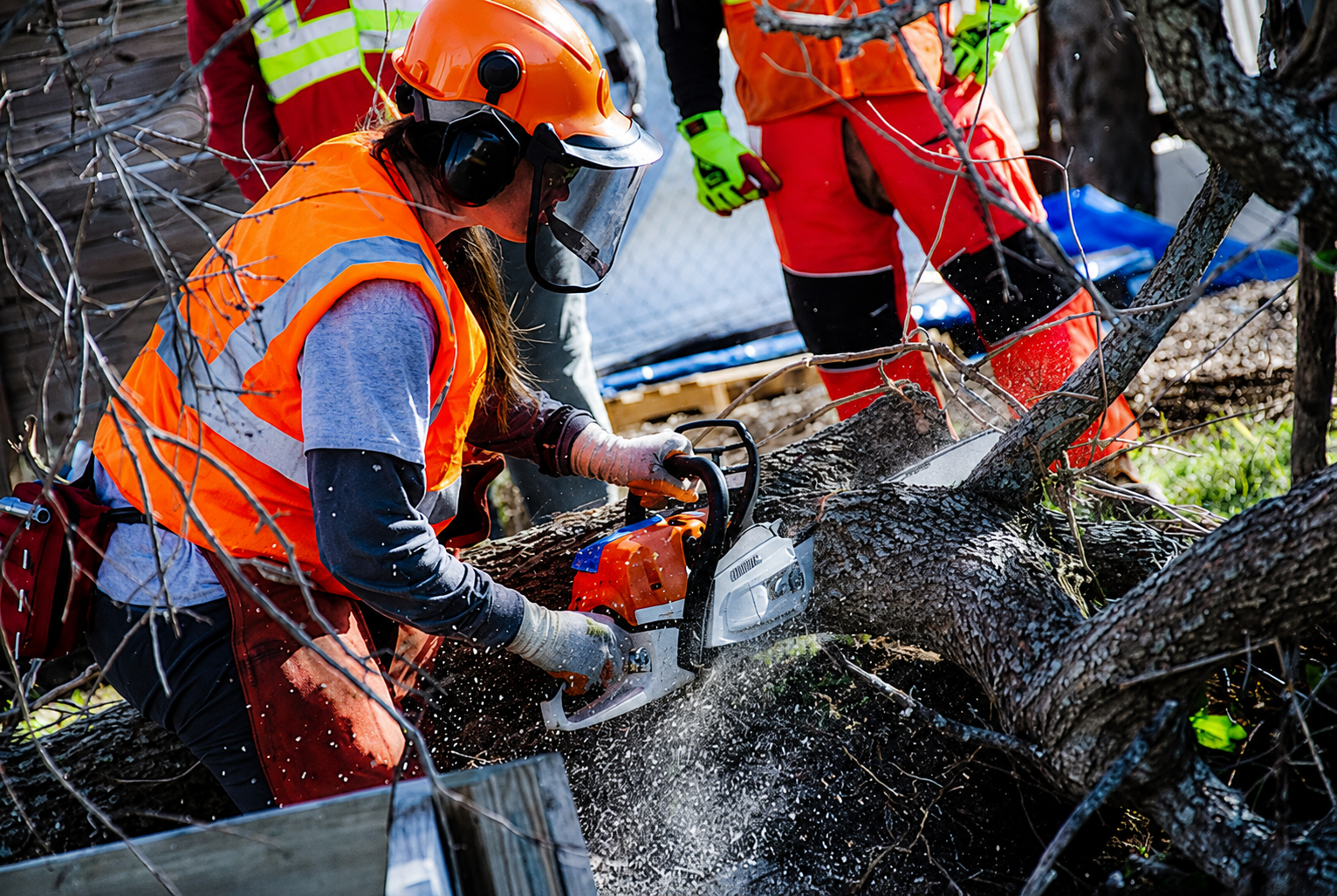
How Micro Climate Conditions Affect Chainsaw Safety and Cutting Accuracy
Chainsaw work is never performed under identical conditions. While operators often prepare for general weather forecasts, the smaller environmental changes within a specific worksite can create unexpected hazards that affect both safety and cutting precision. These localized weather patterns, known as micro climate conditions, can influence visibility, equipment performance, wood behavior, and operator stability throughout the workday.
At Southbrook Safety, we believe effective chainsaw safety training prepares operators for more than just proper cutting techniques. It teaches them how changing environmental conditions impact every decision made in the field. Understanding these conditions helps employers reduce incidents, improve productivity, and maintain safer worksites regardless of the season.
Whether you manage forestry operations, utility clearing, municipal maintenance, or commercial landscaping, recognizing how moisture, temperature, humidity, and ground conditions affect chainsaw performance is an essential part of professional safety management.
What Are Micro Climate Conditions?
Micro climate conditions refer to localized weather variations that differ from the surrounding area’s general forecast. A worksite may experience different temperatures, humidity levels, wind exposure, or moisture compared to nearby locations because of elevation, dense vegetation, water sources, or terrain.
These small environmental differences can significantly impact chainsaw operations by affecting:
- Wood moisture levels
- Operator footing
- Equipment reliability
- Chain performance
- Visibility
- Fatigue levels
- Cutting precision
Understanding these variables is an important component of comprehensive chainsaw safety training, helping operators recognize hazards before they become incidents. For organizations developing safer field practices, our internal chainsaw safety training programs provide practical guidance for working in changing environmental conditions.
Why Environmental Conditions Matter During Chainsaw Operations
Many chainsaw incidents occur not because operators lack technical skills, but because environmental conditions change faster than expected. Rain, frost, humidity, or sudden temperature drops can alter how wood behaves and how equipment responds.
A properly trained operator learns to evaluate:
| Environmental Factor | Potential Safety Impact |
| High humidity | Reduced visibility and slippery equipment. |
| Wet surfaces | Increased slip and fall hazards. |
| Cold temperatures | Reduced grip and slower reaction time. |
| Frozen ground | Hidden trip hazards. |
| Moist wood | Different cutting behavior that may affect control. |
| Fog | Limited visibility while operating equipment. |
| Wind | Increased risk of falling branches and unpredictable tree movement. |
| Temperature swings | Changes in equipment performance and operating conditions. |
Employers who include environmental awareness within chainsaw operator training help reduce preventable incidents while improving cutting consistency.
How Cold Weather Affects Chainsaw Safety
Cold temperatures create several challenges that are often underestimated by operators.
Metal components contract, lubricants become thicker, batteries lose efficiency, and operators wearing bulky clothing may experience reduced mobility. Cold weather also affects concentration and hand dexterity, making precise cutting more difficult.
During cold weather cutting, operators should pay close attention to:
- Reduced grip strength
- Longer equipment warm up periods
- Slower throttle response
- Increased fatigue
- Ice formation on handles
- Frost covered work surfaces
Professional chainsaw safety training teaches operators to inspect equipment thoroughly before use and adjust work practices to accommodate colder conditions.
Organizations should also encourage more frequent breaks to reduce cold related fatigue and maintain operator focus.
Wet Wood Hazards and Their Effect on Cutting Accuracy
Wood behaves differently after rainfall or prolonged exposure to moisture. Wet timber often creates greater cutting resistance while producing slippery sawdust that affects operator footing.
Some common wet wood hazards include:
- Slower chain movement
- Reduced cutting efficiency
- Unexpected binding
- Greater kickback potential
- Increased chain wear
- Less predictable wood fiber separation
Operators who understand these conditions can adjust cutting techniques while maintaining proper control throughout the operation. Understanding the essential chainsaw cutting techniques taught in certification courses helps operators adapt to changing wood conditions while maintaining safe and accurate cuts.
Humidity Can Influence Chainsaw Performance
Humidity is frequently overlooked during hazard assessments, yet it affects both operators and equipment.
High humidity contributes to:
- Fogged eye protection
- Sweaty gloves reducing grip
- Moisture buildup on controls
- Increased operator fatigue
- Reduced visibility
- Slower drying of work surfaces
These conditions gradually increase risk throughout the day rather than creating immediate hazards.
Effective chainsaw safety training emphasizes continuous environmental monitoring instead of relying solely on pre-job inspections. Operators should regularly reassess conditions as humidity changes during the work shift.
Ground Conditions Affect Stability
Safe chainsaw operation begins with stable footing.
Micro climate changes often create uneven ground conditions including:
- Mud
- Wet leaves
- Moss covered surfaces
- Frozen soil
- Hidden roots
- Soft ground after rainfall
Poor footing increases the likelihood of:
- Slips
- Falls
- Loss of balance
- Poor body positioning
- Reduced cutting control
Employers should require worksite inspections before cutting begins and after significant weather changes.
Professional chainsaw training teaches operators to recognize unstable work areas before starting each cut.
Moisture Changes How Trees Respond
Different moisture levels affect internal wood fibers.
A tree that has absorbed significant moisture may react differently than dry timber during cutting operations.
Possible changes include:
- Unexpected movement
- Different hinge performance
- Slower fiber separation
- Increased compression forces
- Altered fall direction behavior
These factors directly contribute to cutting accuracy issues if operators fail to recognize changing wood characteristics. Experienced operators continuously observe tree movement throughout the cut rather than relying on assumptions based on previous jobs.
Visibility Is a Critical Safety Factor
Micro climate conditions often reduce visibility without producing severe weather.
Examples include:
- Morning fog
- Low clouds
- Light drizzle
- Dense humidity
- Shadows in wooded areas
Limited visibility affects:
- Hazard identification
- Communication
- Escape route planning
- Tree assessment
- Team coordination
As part of chainsaw safety training, operators should learn when environmental visibility makes work unsafe and when operations should be delayed. Safety always takes priority over production schedules.
Equipment Maintenance Becomes More Important
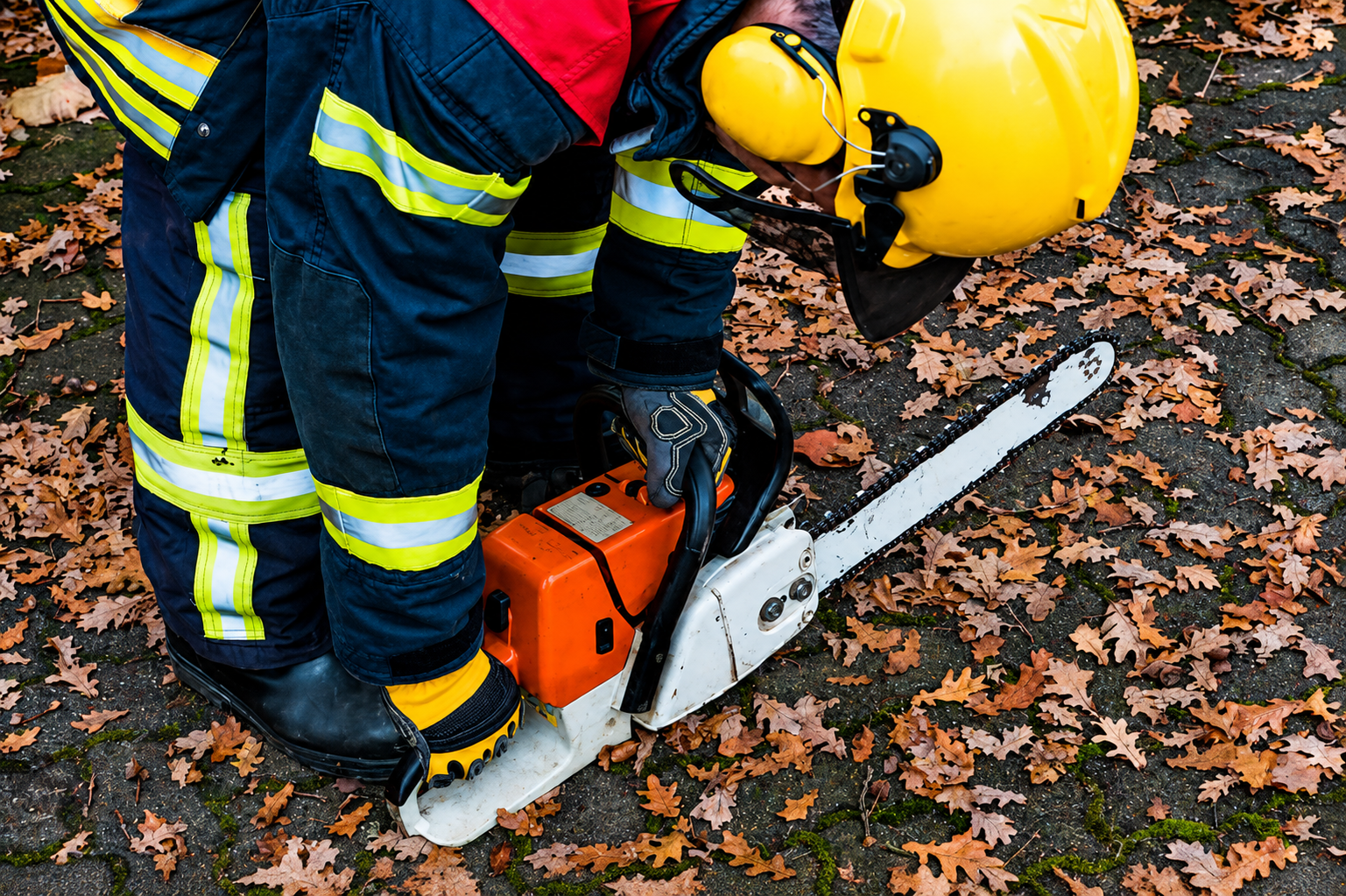
Environmental conditions accelerate wear on chainsaw components. Moisture, dirt, freezing temperatures, and debris all contribute to increased maintenance requirements. Operators should inspect:
- Chain tension
- Air filters
- Guide bars
- Fuel systems
- Lubrication
- Safety brakes
- Handles
- Fasteners
Routine maintenance helps maintain cutting accuracy while reducing unexpected equipment failures. Read our blogs to discover more expert tips on chainsaw safety training, equipment maintenance, and safe operating practices.
Best Practices for Operators Working in Changing Conditions
Successful operators adapt their techniques rather than assuming every workday will be the same. Recommended practices include:
- Conduct a complete environmental assessment before work begins.
- Monitor weather changes throughout the day.
- Inspect equipment more frequently.
- Wear appropriate PPE for changing conditions.
- Maintain secure footing before every cut.
- Adjust cutting speed when wood moisture changes.
- Replace worn chains promptly.
- Communicate environmental hazards with team members.
- Stop work if conditions become unsafe.
- Follow company safety procedures at all times.
These practices strengthen both operator confidence and overall worksite safety. For more practical safety knowledge, explore our online courses and continue developing your chainsaw safety skills.
How Employers Can Improve Chainsaw Safety
Employers play a major role in reducing weather related incidents. An effective safety program should include:
- Regular chainsaw safety training
- Site specific hazard assessments
- Daily weather briefings
- Equipment inspection procedures
- Supervisor field evaluations
- Emergency response planning
- Refresher training for experienced operators
- Documentation of environmental hazards
When safety programs account for micro climate conditions, organizations create more consistent operating procedures across every season.
Why Ongoing Chainsaw Safety Training Matters
Environmental conditions continue changing throughout every season. Operators who only learn basic chainsaw operation may struggle when weather conditions become more challenging.
Ongoing chainsaw safety training helps professionals:
- Improve hazard recognition
- Make better cutting decisions
- Increase cutting accuracy
- Reduce workplace injuries
- Extend equipment life
- Build operator confidence
- Improve team communication
- Maintain compliance with workplace safety expectations
Training should combine classroom knowledge with practical field experience so operators understand how environmental conditions affect real world cutting operations. At Southbrook Safety, our chainsaw safety training helps operators build the skills and confidence to work safely in changing conditions.
Conclusion
Micro climate conditions have a direct impact on chainsaw safety, equipment performance, and cutting accuracy. Moisture, humidity, cold temperatures, slippery ground, and changing visibility all influence how safely and effectively chainsaw operations can be performed. Understanding these environmental factors allows operators to make better decisions while helping employers create safer worksites.
At Southbrook Safety, our professional chainsaw safety training programs are designed to prepare operators for real field conditions, not just ideal environments. Investing in ongoing education helps reduce workplace risks, improve operational efficiency, and strengthen safety culture across every project. Contact us today to learn how our training solutions can support your team and improve chainsaw safety performance.
Frequently Asked Questions
1. Why is chainsaw safety training important during changing weather?
Chainsaw safety training teaches operators how environmental conditions affect equipment performance, footing, visibility, and cutting techniques, helping reduce workplace risks.
2. How does cold weather affect chainsaw operations?
Cold temperatures can reduce grip strength, affect equipment performance, increase fatigue, and make cutting more difficult if operators are not properly prepared.
3. What are the biggest wet wood hazards?
Wet wood hazards include increased chain resistance, slippery surfaces, unpredictable wood movement, binding, and reduced cutting accuracy.
4. Can humidity affect cutting accuracy?
Yes. High humidity can reduce visibility, create slippery equipment surfaces, fog protective eyewear, and increase operator fatigue, all of which may affect cutting precision.
5. How can Southbrook Safety help improve chainsaw safety?
Southbrook Safety provides practical chainsaw safety training that prepares operators to work safely in changing environmental conditions while improving cutting accuracy and workplace safety.