
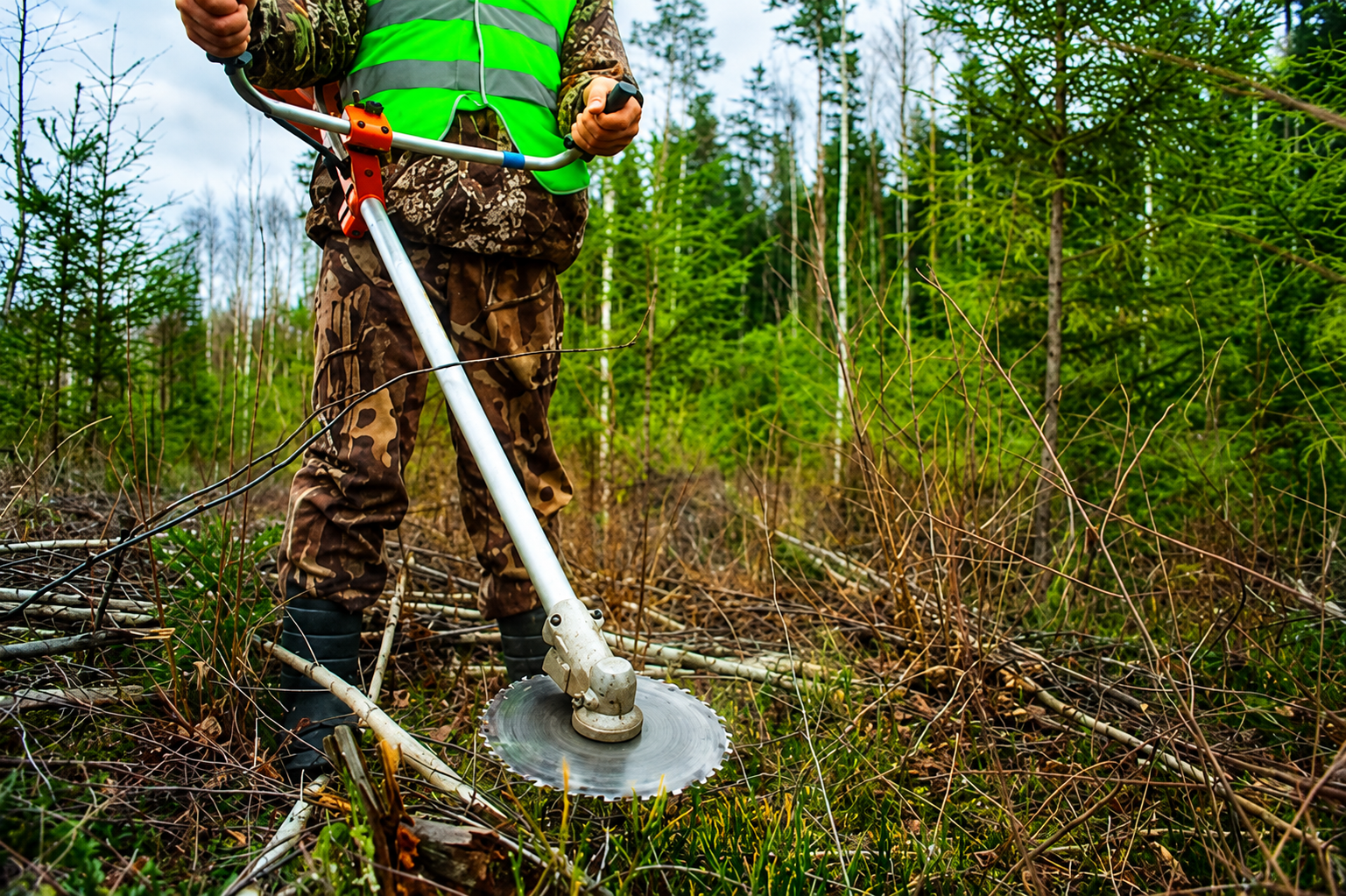
Operator Fatigue in Brush Saw Work: The Overlooked Safety Risk on Long Shifts
Working with a brush saw requires concentration, physical strength, and sound judgment throughout every shift. While many organizations focus on equipment maintenance, protective gear, and safe cutting techniques, one important hazard is often underestimated: operator fatigue. Long hours of clearing vegetation, repetitive movements, changing terrain, and environmental conditions can slowly reduce a worker’s alertness without obvious warning signs.
Proper brush saw safety training teaches operators that fatigue is not simply feeling tired. It is a workplace hazard that directly affects reaction time, balance, decision making, and cutting precision. When fatigue develops, even experienced operators become more vulnerable to mistakes that may lead to injuries, equipment damage, or near misses.
At Southbrook Safety, we help organizations build safer work environments by providing practical training that prepares operators for real working conditions. Understanding fatigue and learning how to manage it should be an essential part of every brush saw safety program.
Why Operator Fatigue Is a Serious Safety Hazard
Operating a brush saw demands constant physical and mental effort. Workers must maintain proper posture, monitor surrounding hazards, control the cutting attachment, and make safe decisions every minute of the job. Unlike visible hazards such as uneven ground or falling branches, fatigue develops gradually. Operators may not even realize their performance has declined until an incident occurs. Common effects of fatigue include:
- Slower reaction times
- Reduced concentration
- Poor judgment
- Muscle weakness
- Decreased cutting accuracy
- Increased frustration
- Reduced awareness of nearby hazards
A tired operator may overlook simple safety checks or misjudge the movement of vegetation, creating unnecessary risks for both themselves and nearby crew members. This is why comprehensive brush saw safety training emphasizes recognizing fatigue before it becomes dangerous.
What Causes Fatigue During Brush Saw Operations?
Fatigue rarely results from one single factor. Instead, it develops from multiple physical and environmental conditions working together over the course of a shift.
Long Working Hours
Extended work periods without adequate recovery place continuous stress on muscles and mental focus. As the day progresses, operators often experience:
- Slower body movements
- Reduced grip strength
- Difficulty maintaining proper cutting techniques
- Lower attention to surroundings
Regular breaks become increasingly important as shifts become longer.
Physically Demanding Work
Brush saws require continuous body movement while cutting dense vegetation. Operators frequently:
- Walk across uneven terrain
- Lift equipment repeatedly
- Maintain awkward body positions
- Control machine vibration
- Carry fuel and additional tools
These physical demands gradually increase exhaustion throughout the day.
Weather Conditions
Environmental conditions significantly influence fatigue levels.
High temperatures increase dehydration.
Cold weather causes muscles to tighten more quickly.
Strong winds require greater equipment control.
Humidity increases overall physical strain.
Poor visibility forces operators to focus harder, increasing mental fatigue.
Training programs also discuss seasonal challenges, including cold weather cutting, where reduced flexibility and slippery conditions increase operator strain.
How Fatigue Affects Brush Saw Performance
Fatigue changes the way operators interact with equipment. Small declines in performance can eventually become major safety concerns.
Reduced Cutting Accuracy
Maintaining precise cutting angles requires coordination and concentration.
Fatigued operators may:
- Miss intended cutting paths
- Apply inconsistent pressure
- Lose proper balance
- Cut too aggressively
- Require repeated cutting passes
These cutting accuracy issues increase both production delays and accident risks.
Slower Hazard Recognition
Brush saw operators constantly monitor:
- Hidden rocks
- Stumps
- Wire
- Wildlife
- Nearby workers
- Falling branches
Fatigue reduces situational awareness, making it easier to overlook these hazards.
Poor Decision Making
Mental exhaustion affects judgment.
Workers may:
- Continue working despite unsafe conditions
- Skip inspections
- Ignore warning signs
- Rush through tasks
- Take unnecessary shortcuts
These decisions often contribute to preventable incidents.
Warning Signs That Operators Should Never Ignore
One of the most valuable lessons included in brush saw safety training is learning to recognize early fatigue symptoms.
Watch for signs such as:
| Physical Signs | Mental Signs |
| Heavy legs | Difficulty concentrating |
| Slower movements | Forgetting routine tasks |
| Reduced grip strength | Delayed decision making |
| Frequent stumbling | Reduced awareness |
| Muscle soreness | Irritability |
| Poor posture | Lack of focus |
Recognizing these warning signs early allows supervisors and workers to take corrective action before safety is compromised.
The Connection Between Fatigue and Injury Risk
Fatigue affects nearly every aspect of safe equipment operation.
When operators become tired, they are more likely to:
- Lose footing on uneven terrain
- Misjudge cutting distances
- Forget safe starting procedures
- Handle equipment incorrectly
- Experience delayed emergency responses
Even highly experienced operators are not immune to fatigue-related incidents.
Fatigue often contributes to poor decisions and unsafe operating habits. Understanding these common brush saw safety mistakes can help operators reduce injury risks and improve workplace safety.

Building Safer Work Habits Through Brush Saw Safety Training
Effective training goes beyond teaching how to operate equipment. It prepares workers to recognize personal limitations and understand when fatigue becomes a safety concern.
A quality training program typically includes:
Safe Work Planning
Operators learn how to:
- Assess work areas
- Identify hazards
- Plan cutting sequences
- Schedule rest periods
- Organize equipment before starting work
Good planning reduces unnecessary physical effort throughout the day.
Proper Body Positioning
Correct posture helps reduce muscle strain.
Training covers:
- Stable footing
- Balanced body movement
- Proper equipment control
- Safe cutting angles
- Efficient movement techniques
These practices improve both safety and productivity.
Energy Management
Fatigue management includes:
- Staying hydrated
- Eating nutritious meals
- Taking scheduled breaks
- Rotating demanding tasks
- Monitoring physical condition
These simple habits can significantly improve operator performance during long shifts.
Why Regular Breaks Improve Safety
Some workers believe stopping for breaks slows productivity. In reality, short recovery periods often improve overall performance.
Benefits include:
- Improved concentration
- Better coordination
- Reduced muscle fatigue
- Improved decision making
- Greater cutting precision
Supervisors should encourage scheduled recovery periods instead of waiting until operators become exhausted.
Weather Conditions Increase Fatigue Faster
Environmental conditions often accelerate physical exhaustion.
Hot Weather
High temperatures may cause:
- Dehydration
- Heat stress
- Reduced endurance
- Slower thinking
Workers should increase water intake and monitor heat exposure.
Cold Weather
Many operators underestimate the impact of cold weather cutting.
Cold temperatures can cause:
- Stiff muscles
- Reduced hand movement
- Slower reactions
- Reduced flexibility
Proper clothing and additional warm-up time help reduce these risks.
Wet Conditions
Rain creates additional challenges.
Wet wood hazards include:
- Slippery footing
- Reduced equipment control
- Unpredictable cutting behavior
- Lower visibility
Operators should adjust work pace when conditions become more hazardous.
The Importance of Supervisor Responsibility
Fatigue management is not only the operator’s responsibility. At Southbrook Safety , we emphasize that strong leadership and proactive supervision play a vital role in preventing fatigue-related incidents and creating a safer work environment.
Supervisors should:
- Monitor worker performance
- Rotate physically demanding tasks
- Encourage reporting of fatigue
- Schedule realistic workloads
- Ensure adequate staffing
- Support regular safety discussions
By promoting an open safety culture, Southbrook Safety helps organizations encourage workers to report fatigue without hesitation, allowing supervisors to address risks early and maintain safe, productive operations.
Brush Saw Safety and Chainsaw Operator Training
Many organizations require employees to use both brush saws and chainsaws. Because both tools present similar physical demands, lessons learned through chainsaw operator training can strengthen overall safety practices.
Workers benefit from understanding:
- Equipment control
- Hazard recognition
- Safe body positioning
- Maintenance procedures
- Emergency response
Combined training helps operators apply safe habits regardless of the equipment being used.
Creating a Fatigue Management Plan
Every organization should have a structured approach to fatigue prevention.
An effective fatigue management plan may include:
- Daily equipment inspections
- Pre-job safety meetings
- Scheduled hydration breaks
- Rotation between demanding tasks
- Weather monitoring
- Supervisor observations
- Incident reporting
- Ongoing refresher training
These practices help reduce preventable injuries while improving operational efficiency.
Continue improving your workplace safety knowledge by reading our blogs on fatigue management, hazard awareness, and operator training.
Why Continuous Training Makes a Difference
Safety knowledge should never remain static.
Regular refresher sessions allow operators to:
- Review safe operating procedures
- Learn from recent incidents
- Improve cutting techniques
- Stay updated on industry best practices
- Reinforce fatigue awareness
Continuous brush saw safety training creates stronger safety habits that become part of everyday work. Organizations that invest in ongoing education often experience better compliance, improved confidence, and fewer workplace incidents.
Conclusion
Operator fatigue is one of the most overlooked risks in vegetation management, yet it has a direct impact on safety, productivity, and decision making. Long shifts, physically demanding work, changing weather conditions, and repetitive tasks all contribute to reduced concentration and increased accident potential.
By investing in comprehensive brush saw safety training, organizations can help workers recognize early signs of fatigue, improve cutting accuracy, manage environmental challenges, and make safer decisions throughout every shift. Combined with proper planning, scheduled breaks, and strong supervision, fatigue management becomes an essential part of a successful workplace safety program.
Southbrook Safety is committed to helping organizations build safer, more knowledgeable teams through professional training and practical workplace education. Contact us to learn how our training programs can help strengthen operator safety, reduce workplace risks, and support long-term operational success.
Frequently Asked Questions
1. Why is operator fatigue dangerous during brush saw work?
Fatigue reduces concentration, slows reaction times, weakens coordination, and increases the likelihood of mistakes that may lead to workplace injuries.
2. How does brush saw safety training help reduce fatigue-related incidents?
Brush saw safety training teaches operators to recognize fatigue symptoms, use proper techniques, manage workloads, and follow safe work practices throughout the day.
3. What are the early warning signs of operator fatigue?
Common signs include slower reactions, reduced focus, muscle soreness, poor balance, decreased grip strength, and difficulty making decisions.
4. How often should operators take breaks during long shifts?
Break frequency depends on workload, weather, and job conditions, but regular scheduled breaks are recommended to maintain alertness and reduce physical strain.
5. Can weather increase fatigue during brush saw operations?
Yes. Hot temperatures, cold weather cutting, rain, humidity, and wind all increase physical and mental fatigue, requiring additional precautions.