
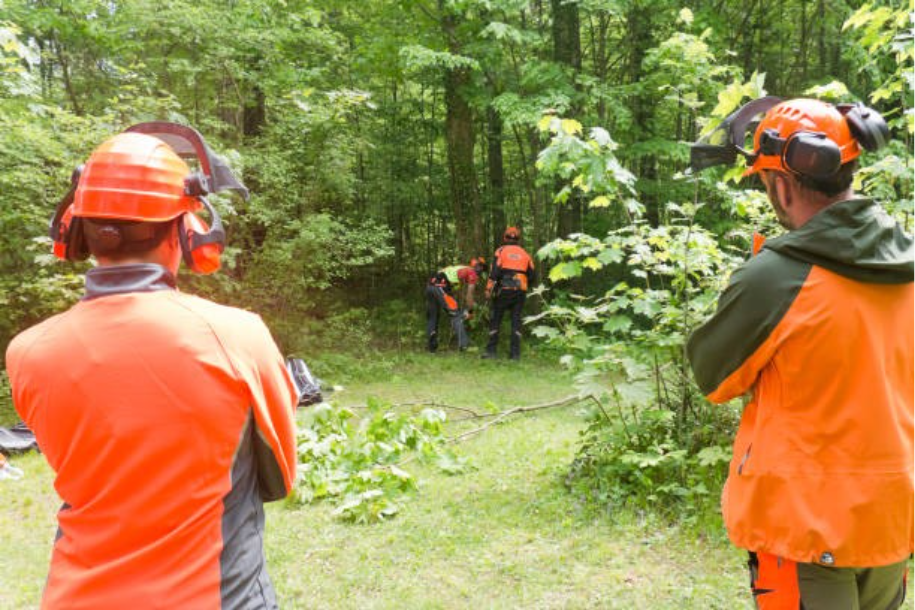
When Brush Saw Use Becomes Dangerous: Terrain, Slope, and Visibility Challenges
Using a brush saw requires skill, concentration, and a strong understanding of workplace hazards. While equipment maintenance and personal protective equipment play an important role, environmental conditions often create the greatest risks. Uneven ground, steep slopes, loose surfaces, and dense vegetation can quickly turn a routine cutting task into a dangerous situation.
Understanding brush saw safety techniques helps operators recognize changing conditions before they become serious hazards. Every worksite presents unique challenges, making proper planning and continuous hazard assessment essential for maintaining a safe working environment.
At Southbrook Safety, we believe operators should develop safe work habits that adapt to different environments. Learning how terrain, slope, and visibility affect brush saw operations helps reduce incidents and supports safer, more efficient work.
Why Environmental Conditions Matter
Every outdoor worksite is different. Operators may begin work on relatively flat ground and later move into steep hillsides, rocky surfaces, or thick vegetation. These changing conditions influence stability, cutting control, visibility, and overall operator safety.
Ignoring environmental hazards often increases the likelihood of:
- Loss of footing
- Equipment kickback
- Reduced reaction time
- Contact with hidden obstacles
- Fatigue-related mistakes
- Reduced cutting accuracy
Developing effective brush saw safety techniques means evaluating the environment before starting work and continuing to reassess conditions throughout the day.
Common Environmental Hazards During Brush Saw Operation
Many hazards are not immediately visible. Operators should perform a careful site inspection before beginning work and remain alert as conditions change.
| Environmental Hazard | Potential Risk | Safe Practice |
| Steep slopes | Loss of balance | Maintain stable footing and avoid excessive angles |
| Loose soil | Slips and falls | Test footing before each step |
| Wet grass | Reduced traction | Slow cutting pace and wear proper footwear |
| Dense vegetation | Hidden obstacles | Clear small sections gradually |
| Rocks | Blade damage and kickback | Identify obstacles before cutting |
| Tree roots | Trip hazards | Maintain awareness while moving |
| Poor visibility | Delayed hazard recognition | Improve viewing angle before cutting |
| Uneven ground | Loss of control | Keep balanced body positioning |
Performing this assessment before work begins significantly improves decision-making throughout the job.
Understanding Slope Cutting Risks
Working on slopes introduces additional hazards because gravity constantly affects both the operator and the equipment. Even experienced operators can lose stability when cutting on steep terrain.
Before beginning work, evaluate:
- Slope angle
- Soil condition
- Moisture levels
- Presence of loose rocks
- Vegetation density
- Escape routes
A careful assessment helps determine whether cutting can be completed safely or whether alternative methods should be considered.
Maintaining Proper Footing
Stable footing is the foundation of safe brush saw operation. Operators should never rush movement across uneven ground.
Good practices include:
- Stand with feet positioned for balance.
- Move slowly and deliberately.
- Keep weight evenly distributed.
- Avoid sudden twisting motions.
- Reposition before making difficult cuts.
These brush saw safety techniques reduce unnecessary strain and improve equipment control.
Avoid Working Directly Up or Down Steep Slopes
Whenever possible, avoid cutting directly uphill or downhill.
Working across a slope often provides better balance and allows operators to maintain greater control over the brush saw. Each movement should be planned before cutting begins to minimize sudden shifts in body position.
If footing becomes unstable, stop work immediately and relocate to a safer position. A careful assessment helps determine whether cutting can be completed safely or whether alternative methods should be considered. For operators looking to strengthen their skills, our online courses provide practical training on hazard recognition, safe equipment handling, and risk assessment to help prepare for challenging working conditions.
How Dense Vegetation Creates Hidden Hazards
Thick brush often conceals hazards that cannot be seen from the operator’s position. Hidden rocks, wire fencing, fallen branches, stumps, and uneven ground can all interfere with safe cutting.
Dense vegetation also limits escape paths if equipment suddenly kicks back or an unexpected hazard appears.
Operators should never assume an area is clear simply because hazards are not visible.
Hidden Obstacles Beneath Vegetation
Several common hazards remain concealed beneath heavy growth, including:
- Large rocks
- Tree stumps
- Buried logs
- Wire fencing
- Irrigation equipment
- Utility markers
- Holes
- Drainage channels
Before cutting, visually inspect as much of the area as possible and remove visible debris.
Cut in Smaller Sections
Attempting to clear a large area in one pass often reduces visibility and increases risk.
Instead, operators should:
- Clear manageable sections.
- Frequently stop to reassess conditions.
- Remove debris as work progresses.
- Maintain a clear walking path.
- Avoid forcing the blade into thick material.
This gradual approach improves visibility while reducing unexpected hazards.
Visibility Challenges Increase Risk
Poor visibility contributes to many workplace incidents involving brush saws. Environmental factors such as tall grass, fog, shadows, dust, or heavy vegetation reduce an operator’s ability to identify hazards early.
Limited visibility affects:
- Obstacle detection
- Safe movement
- Blade positioning
- Awareness of nearby workers
- Emergency response time
Operators should never continue working when they cannot clearly see the cutting area.
Watch for Changing Light Conditions
Outdoor lighting changes throughout the day.
Early morning and late afternoon sunlight may create long shadows that hide uneven ground or obstacles. Overcast weather may also reduce contrast, making hazards harder to identify.
Adjust work positions whenever lighting reduces visibility rather than attempting to continue with limited sight.
Maintain Clear Communication
When multiple workers are present, visibility challenges become even more important.
Operators should:
- Maintain safe separation distances.
- Confirm work zones before cutting.
- Use agreed communication signals.
- Stop equipment before approaching coworkers.
Good communication reduces the risk of accidental contact in areas with limited visibility.
Weather Conditions Can Quickly Change the Work Environment
Weather has a direct impact on ground stability, visibility, and operator performance. Even if conditions appear safe at the start of the day, rain, wind, or extreme heat can quickly introduce new hazards. Operators should reassess the worksite whenever weather changes and adjust their work plan accordingly.
Applying brush saw safety techniques means recognizing that weather is part of every hazard assessment, not an afterthought.
Wet Ground and Reduced Traction
Rain and morning dew can make grass, soil, and rocks slippery. Wet conditions increase the likelihood of slips, trips, and falls, especially when carrying or operating a brush saw.
Before continuing work in wet conditions:
- Check footing regularly.
- Slow your walking pace.
- Avoid sudden movements.
- Stay clear of muddy or unstable ground.
- Postpone work if safe footing cannot be maintained.
Taking a few moments to evaluate changing ground conditions can prevent serious injuries.
Wind and Falling Debris
Strong winds create additional hazards by moving branches, reducing cutting accuracy, and affecting balance. Wind can also cause dead limbs or loose debris to fall unexpectedly.
If high winds reduce visibility or make equipment control difficult, stop work until conditions improve.
Fatigue Makes Environmental Hazards More Dangerous
Operating a brush saw on uneven terrain requires continuous physical effort and concentration. Long periods of work increase fatigue, making it more difficult to recognize hazards, maintain balance, and react quickly.
Fatigue often contributes to:
- Poor decision-making
- Reduced coordination
- Slower reaction times
- Incorrect cutting techniques
- Loss of concentration
Safe operators recognize fatigue early and take appropriate breaks before performance declines.
Schedule Regular Rest Breaks
Regular breaks help maintain focus throughout the workday.
Operators should:
- Drink water regularly.
- Stretch during breaks.
- Eat nutritious meals.
- Avoid rushing to complete tasks.
- Report excessive fatigue to supervisors.
These simple practices support safer brush saw operation and reduce the risk of preventable mistakes.
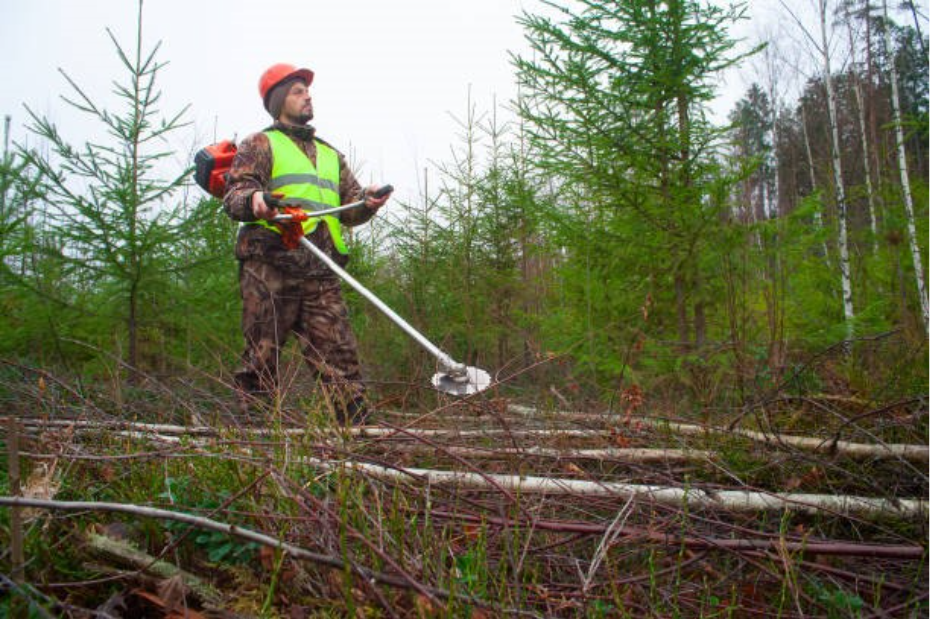
Planning the Work Area Before Cutting Begins
Preparation is one of the most effective brush saw safety techniques. A few minutes spent inspecting the worksite can identify hazards that may otherwise remain unnoticed.
Before starting the brush saw, operators should evaluate:
- Terrain conditions
- Vegetation density
- Slope angles
- Ground stability
- Weather forecasts
- Nearby workers
- Escape routes
- Hidden obstacles
Documenting hazards as part of a workplace safety procedure also helps ensure consistent risk management across different job sites.
Best Practices for Working in Challenging Environments
Every operator should develop safe habits that remain consistent regardless of the work location. Environmental conditions may change, but sound decision-making should remain the same.
Follow these recommended practices:
- Inspect the worksite before beginning.
- Wear appropriate personal protective equipment.
- Keep both hands firmly on the brush saw.
- Maintain stable footing at all times.
- Avoid overreaching.
- Work in small, controlled sections.
- Stop immediately if visibility becomes poor.
- Reassess hazards throughout the day.
- Never rush difficult cutting tasks.
- Report unsafe conditions to supervisors.
You can also explore more workplace safety insights by visiting our blog page, where we regularly share guidance on brush saw operation, operator safety, and hazard awareness.
Why Continuous Risk Assessment Matters
Risk assessment is not something completed only once before work begins. Terrain, vegetation, weather, and visibility can all change throughout the day.
Professional operators continuously observe their surroundings and adjust their approach as conditions evolve. This proactive mindset reduces incidents and helps maintain a safer working environment for everyone on site.
At Southbrook Safety, we encourage operators to make continuous risk assessment a standard part of every job. Consistently applying brush saw safety techniques allows teams to respond effectively to changing conditions while maintaining equipment control and reducing unnecessary risks.
Conclusion
Environmental conditions are among the most significant factors influencing brush saw safety. Steep slopes, uneven terrain, dense vegetation, poor visibility, and changing weather all increase operational risk if they are not properly assessed.
By following proven brush saw safety techniques, operators can improve stability, identify hazards earlier, and make safer decisions throughout every stage of the job. Careful planning, continuous hazard assessment, and disciplined work practices help reduce injuries while supporting efficient operations.
For more workplace safety guidance, training resources, and expert support, contact us at Southbrook Safety to learn how we can help your team create a safer working environment.
Frequently Asked Questions
1. Why are slopes dangerous when using a brush saw?
Slopes reduce stability and increase the risk of slipping, falling, and losing control of the equipment. Operators should carefully assess slope conditions before beginning work.
2. How does dense vegetation increase brush saw hazards?
Dense vegetation can hide rocks, stumps, wire, holes, roots, and other obstacles that may damage equipment or cause operator injuries.
3. What weather conditions make brush saw operation more hazardous?
Rain, strong winds, fog, excessive heat, and poor lighting all increase operational risks by affecting visibility, footing, and equipment control.
4. Why is visibility important during brush saw operation?
Good visibility allows operators to identify hazards, maintain safe distances from coworkers, position the blade accurately, and react quickly to changing conditions.
5. How can operators reduce fatigue while using a brush saw?
Regular breaks, proper hydration, stretching, maintaining a steady work pace, and avoiding overexertion help reduce fatigue and improve concentration.