
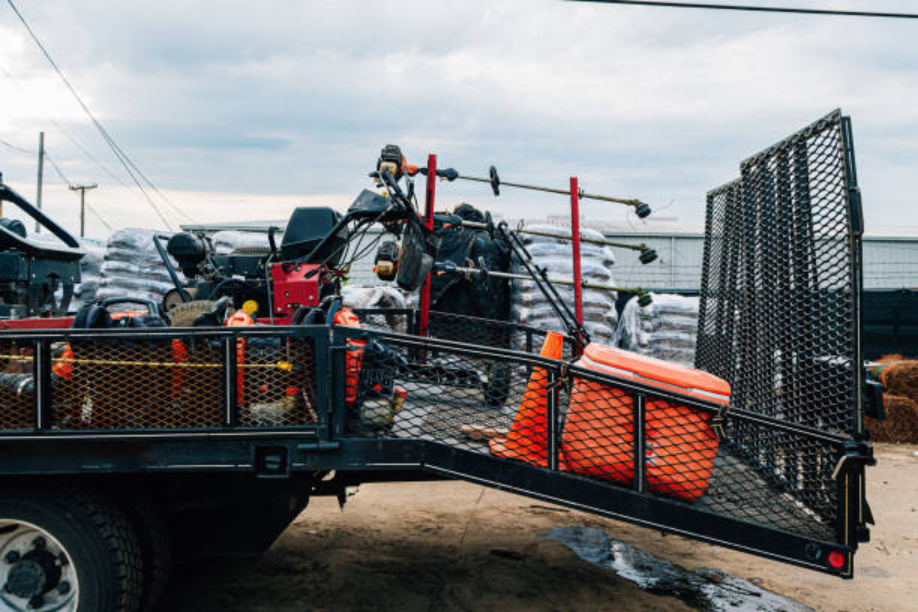
Load Mismanagement in UTVs: A Leading Cause of Worksite Rollovers
UTVs are widely used across construction sites, agriculture, forestry, and industrial operations due to their versatility and terrain handling capability. However, improper loading practices remain one of the most common contributors to worksite instability and rollover incidents.
Understanding UTV loading safety is essential for reducing operational risks and ensuring that both operators and equipment remain safe during daily work activities.
This blog explains how load mismanagement impacts vehicle stability, what causes rollovers, and how proper training and load control can significantly reduce incidents on-site, especially in high-demand environments where Southbrook Safety supports operator awareness and safety standards.
Why UTV Loading Safety Matters on Worksites
UTVs are specifically designed to handle rough terrain, steep gradients, and demanding worksite conditions. However, their performance and stability depend heavily on how loads are managed and distributed during operation. Even though these vehicles are built for durability, they still operate within strict load limits, balance guidelines, and center of gravity constraints that must not be ignored.
When these limits are exceeded or misunderstood, the vehicle’s center of gravity shifts beyond safe parameters. This shift reduces stability and significantly increases the likelihood of tipping, sliding, or full rollover incidents, especially during turns or when operating on uneven ground.
Proper UTV loading safety practices are essential because they directly influence operational control and overall vehicle behavior. When loading is done correctly, it helps maintain consistent traction, improves braking response, and ensures smoother handling across different terrain conditions.
Proper UTV loading safety practices help prevent:
- Loss of vehicle control on slopes and inclines
- Reduced braking efficiency under load pressure
- Uneven tire pressure distribution leading to traction loss
- Sudden tipping during sharp turns or directional changes
- Increased wear on suspension and drivetrain components
Worksites that consistently enforce load control procedures not only reduce accident rates but also improve equipment lifespan and operational efficiency. Over time, this leads to fewer breakdowns, better productivity, and a safer working environment for all operators involved.
Understanding Load Mismanagement in UTVs
Load mismanagement occurs when cargo is improperly handled, unevenly distributed, or exceeds the recommended capacity of the UTV. It is one of the most common yet preventable causes of instability-related incidents on worksites. This issue is not limited to overloading alone; even correctly weighted loads can become hazardous if they are not positioned or secured properly.
In many real-world work environments, load mismanagement happens due to time pressure, lack of training, or underestimation of terrain risks. When cargo is not stabilized, it can shift during movement, causing sudden changes in weight distribution that the operator cannot always anticipate.
Common causes include:
- Uneven weight distribution across the UTV bed or towing area
- Exceeding manufacturer-recommended payload capacity
- Poorly secured or loosely placed cargo that shifts during travel
- Incorrect towing attachments or improper hitch usage
- Carrying materials with a high center of gravity without stabilization
Each of these factors affects vehicle stability differently, but they all increase the risk of imbalance. In high-risk environments such as construction zones, forestry operations, or agricultural fields, even minor load errors can escalate into serious safety incidents.
Maintaining proper UTV loading safety standards helps reduce these risks by ensuring that all cargo is assessed, secured, and positioned correctly before operation begins. For more safety resources and industry insights, you can explore our blogs, which covers a wide range of operational safety practices and training topics.
How Load Imbalance Leads to Rollovers
A UTV’s stability is directly influenced by its center of gravity, which determines how the vehicle responds to acceleration, braking, turning, and uneven terrain. When a load is incorrectly placed, the center of gravity shifts outside the vehicle’s safe operating range, making it significantly more prone to instability.
This imbalance becomes especially dangerous during dynamic movements such as cornering, climbing slopes, or navigating rough terrain where sudden shifts in weight distribution can occur.
Key risk factors include:
- Side-heavy loading that increases the likelihood of tipping during turns or uneven ground contact
- Rear-heavy loads that reduce steering response and compromise directional control
- Elevated or stacked loads that raise the center of gravity and increase rollover probability on slopes
Even small inconsistencies in load placement can have amplified effects at higher speeds or on unstable terrain. In many cases, operators may not realize the risk until the vehicle begins to lean or lose traction unexpectedly.
This is why consistent UTV loading safety practices are critical in daily operations. Proper load positioning, secure fastening, and awareness of vehicle dynamics all work together to maintain stability and prevent rollovers before they occur.
Table: Safe vs Unsafe UTV Loading Practices
| Aspect | Safe Practice | Unsafe Practice |
| Load distribution | Evenly balanced across bed | Concentrated on one side |
| Payload | Within manufacturer limit | Overloaded vehicle |
| Cargo securing | Strapped and stabilized | Loose or shifting cargo |
| Speed control | Adjusted for terrain and load | High speed with heavy load |
| Terrain handling | Load considered before slope entry | Ignoring terrain conditions |
The Role of Load Balance in Vehicle Stability
Load balance directly affects how a UTV responds to movement, braking, and turning.
A properly balanced load ensures:
- Predictable steering response
- Improved traction control
- Reduced strain on suspension
- Better braking efficiency
Poor balance, on the other hand, causes instability even at low speeds, especially when navigating uneven surfaces or inclines.

UTV Driver Training and Its Importance
Proper UTV driver training plays a major role in preventing load-related incidents. Operators must be trained not only to drive but also to understand how load affects vehicle dynamics.
Training should cover:
- Load capacity awareness
- Terrain risk assessment
- Safe loading techniques
- Emergency response actions
- Pre-operation inspections
Trained operators are significantly more likely to identify unsafe loading conditions before starting work, reducing rollover risks.
Rollover Prevention Strategies for UTV Operations
Preventing rollovers requires a combination of equipment awareness and operational discipline.
Key prevention strategies include:
- Always distribute weight evenly
- Keep loads low and centered
- Avoid sudden turns with heavy loads
- Reduce speed on slopes and rough terrain
- Inspect cargo stability before movement
Operators who want to strengthen their understanding of real-world risk controls can also explore our detailed guide on modern training practices in UTV environments, including updated safety methods and field applications in this related article on UTV safety training trends.
Terrain Awareness and Load Considerations
Different terrains require different loading adjustments.
- Slopes: Reduce load weight and ensure low center of gravity
- Mud or soft ground: Avoid excessive rear loading
- Rocky terrain: Secure all cargo tightly to prevent shifting
- Flat surfaces: Maintain standard load limits but still ensure balance
Understanding terrain conditions is essential for maintaining stability and preventing unexpected tipping events.
Operational Best Practices for UTV Safety
Worksites should implement structured safety procedures to improve UTV performance and reduce risk.
Best practices include:
- Pre-shift safety checks
- Load verification before movement
- Defined loading zones
- Operator accountability procedures
- Regular refresher training
When consistently applied, these practices improve overall safety culture and reduce operational downtime.
Warning Signs of Unsafe Loading Conditions
Operators should immediately stop and reassess if they notice:
- Vehicle leaning to one side
- Difficulty steering or braking
- Cargo shifting during movement
- Increased bounce or instability
- Unusual tire strain
Recognizing these signs early is a key part of UTV loading safety and can prevent serious incidents.
Building a Safety Culture Around UTV Operations
Safety is not only about rules but also about consistent behavior across teams. Companies that prioritize training and awareness reduce risk significantly.
Southbrook Safety emphasizes structured learning approaches that help operators understand real-world hazards and apply safe decision-making during daily operations.
A strong safety culture includes:
- Continuous learning
- Clear communication
- Accountability systems
- Regular safety audits
Conclusion
Load mismanagement remains one of the most preventable causes of UTV rollovers on worksites. By focusing on proper load balance, operator awareness, and structured UTV loading safety practices, organizations can significantly reduce operational risks.
Training, planning, and consistent safety enforcement are essential for maintaining stable and efficient UTV operations across all environments. For more guidance or to strengthen your workplace safety practices, contact us today.
FAQs
1. Why does load imbalance cause rollovers?
Uneven load shifts the center of gravity, making the vehicle more likely to tip during turns or slopes.
2. What is the safest way to load a UTV?
Keep weight evenly distributed, secure all cargo, and stay within manufacturer load limits.
3. How does terrain affect UTV loading safety?
Rough or sloped terrain increases rollover risk, especially with poorly balanced loads.
4. What is included in UTV driver training?
It includes load handling, terrain assessment, vehicle control, and safety inspection procedures.
5. Can overloading a UTV damage it?
Yes, it can strain suspension, reduce braking efficiency, and increase mechanical wear.