
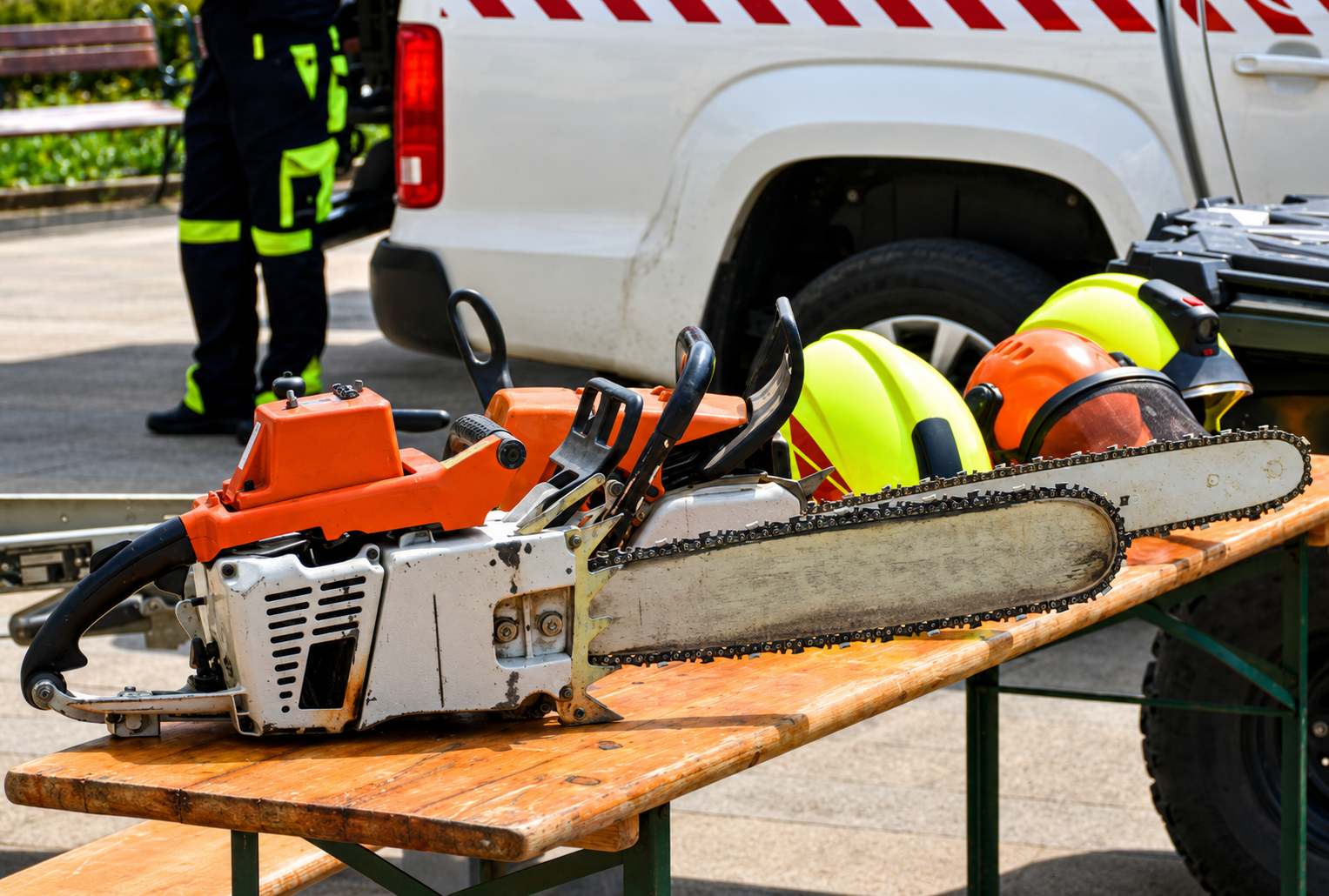
The Hidden Risks of “Experienced” Chainsaw Operators Without Formal Certification
Many employers assume that years of experience automatically make a chainsaw operator safe. It is a common belief across construction, forestry, landscaping, agriculture, utility maintenance, and local government operations. Someone who has used a chainsaw for years may appear confident, efficient, and capable. However, confidence and experience are not always the same as competency.
This assumption can expose businesses to significant workplace risks. Experienced operators often develop habits over time that may not align with current safety standards or best practices. Without chainsaw certification, employers have no reliable way to confirm that operators understand modern safety procedures, hazard identification, equipment inspection, emergency response, and legal responsibilities.
Formal training provides more than a certificate. At Southbrook Safety, we believe workplace safety begins with verified competency, not assumptions based on years of experience. Certification verifies that workers can operate equipment safely while protecting themselves, their coworkers, and the public. For employers, it also demonstrates a commitment to workplace safety, compliance, and professional standards.
In this guide, we explore why experience alone is not enough, the hidden dangers of uncertified operators, and why investing in proper chainsaw certification benefits both employers and employees.
Why Experience Does Not Always Equal Competency
Experience certainly has value. Operators become familiar with different cutting situations, timber conditions, and equipment over time. However, experience without structured learning can reinforce unsafe habits rather than improve safe performance. This is why chainsaw certification remains an essential part of verifying an operator’s competency, regardless of their years of experience.
A worker who has used chainsaws for decades may have never received formal instruction on:
- Current safety procedures
- Equipment inspection requirements
- Personal protective equipment standards
- Safe cutting techniques
- Hazard identification
- Emergency response procedures
Formal chainsaw safety certification helps ensure that practical experience is supported by recognized safety knowledge.
Common Misconceptions Employers Hear
- “They’ve been doing this for twenty years.”
- “They’ve never had an accident.”
- “They trained on the job.”
- “Everyone else learned this way.”
While these statements may sound reassuring, they do not verify competency. Past success does not eliminate future risk.
Why Formal Chainsaw Certification Matters
Workplace safety standards continue to evolve as new research, improved equipment, and updated procedures become available. Certification ensures operators understand current industry expectations rather than relying solely on methods learned years ago.
Certified operators are trained to:
- Assess worksite hazards
- Conduct equipment inspections
- Select appropriate PPE
- Perform safe starting procedures
- Apply correct cutting techniques
- Identify dangerous tree tensions
- Respond safely during emergencies
- Reduce risks to nearby workers
This structured approach creates safer workplaces and helps employers maintain consistent operating standards across their teams. For employers supporting workers through the certification process, understanding how to prepare for practical and theoretical assessments is equally important. Read our step-by-step guide to passing brush saw certification for useful preparation tips and insights that can help operators build confidence before training and assessment.
Hidden Risks of Uncertified Operators
Even highly experienced workers can unknowingly create hazards.
The following table highlights common workplace risks.
| Workplace Risk | Potential Consequence |
| Poor equipment inspection | Mechanical failure during operation |
| Incorrect cutting technique | Kickback injuries |
| Inadequate hazard assessment | Falling branches or unstable trees |
| Unsafe body positioning | Serious operator injuries |
| Incorrect maintenance | Equipment breakdown and accidents |
| Failure to recognise fatigue | Reduced reaction time |
| Poor communication | Injuries to nearby workers |
| Outdated safety practices | Increased workplace incidents |
Operator Errors Often Develop Over Time
Ironically, experienced workers can sometimes become more vulnerable because repeated routines may create overconfidence.
Some of the most common operator errors include:
Skipping Equipment Checks
Operators who use chainsaws daily may overlook routine inspections because they believe the equipment is functioning normally.
Small defects can quickly become serious mechanical failures.
Ignoring PPE Requirements
Some experienced operators choose comfort over protection.
They may avoid wearing:
- Face protection
- Hearing protection
- Chainsaw protective pants
- Cut-resistant gloves
- Safety boots
Certification reinforces why every piece of PPE plays a critical role.
Unsafe Cutting Positions
Repeated use often leads operators to adopt shortcuts that increase exposure to kickback and loss of control.
Formal training corrects these unsafe techniques before they result in injuries.
Poor Hazard Assessment
Each worksite presents unique hazards.
Operators should assess:
- Wind direction
- Tree lean
- Dead branches
- Ground conditions
- Escape routes
- Nearby workers
- Power lines
- Public access
Experience alone cannot replace a structured hazard assessment process.
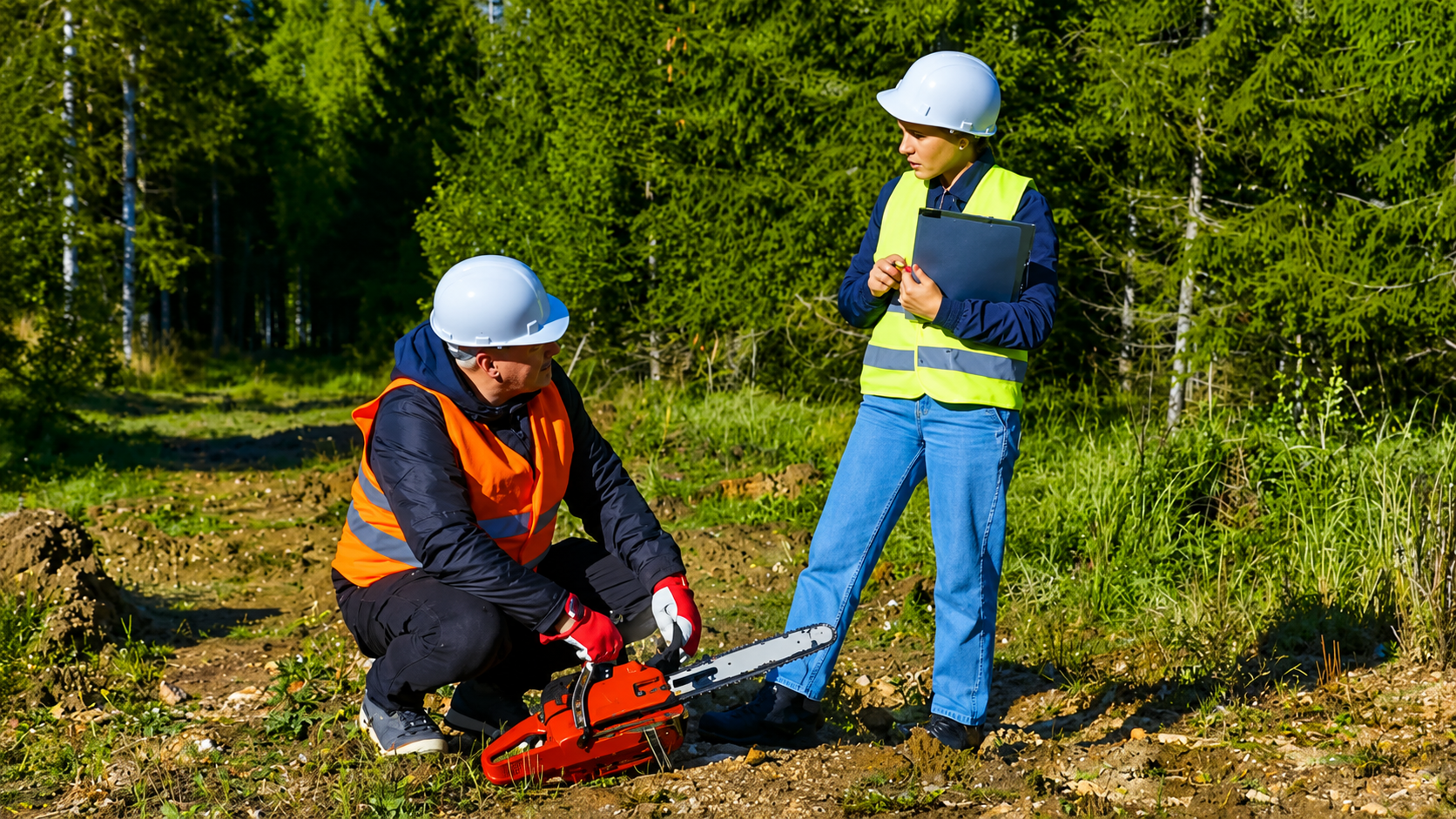
The Cost of Assuming Experience Is Enough
For employers, relying solely on experience can create consequences that extend well beyond workplace injuries.
Potential impacts include:
- Increased incident investigations
- Lost productivity
- Equipment damage
- Worker downtime
- Higher insurance exposure
- Project delays
- Reduced workforce confidence
- Damage to business reputation
One preventable incident can affect an entire operation.
How Certification Improves Workplace Safety
Formal chainsaw certification establishes consistent expectations for every operator, regardless of previous experience.
Certified workers understand:
- Safe operating procedures
- Hazard management
- Correct maintenance practices
- Emergency planning
- Risk assessment
- Safe cutting methods
- Environmental awareness
This consistency makes worksites safer for everyone.
Benefits for Employers
Employers gain significant advantages by ensuring workers complete recognized training.
Better Risk Management
Certified operators follow standard procedures that reduce the likelihood of workplace incidents.
Improved Team Consistency
Everyone follows the same safe operating practices, reducing confusion across crews.
Greater Workplace Confidence
Supervisors can assign tasks knowing operators have demonstrated competency.
Stronger Safety Culture
Certification reinforces that safety is a business priority rather than an individual choice.
Improved Operational Efficiency
Workers who understand correct techniques often complete tasks more safely and efficiently.
Signs Your Experienced Operators May Need Certification
Even long-serving employees may benefit from updated training.
Consider certification if workers:
- Learned informally on the job
- Have never completed recognized training
- Use outdated operating techniques
- Skip PPE requirements
- Rarely inspect equipment
- Have experienced near misses
- Train new employees without formal qualifications
- Have not refreshed their knowledge in many years
These indicators suggest that formal competency verification would strengthen workplace safety.
What Employers Should Look for in Chainsaw Training
Not all training delivers the same value.
When selecting a provider, employers should look for programs that include:
| Training Element | Why It Matters |
| Practical assessments | Confirms real-world competency |
| Hazard identification | Reduces preventable incidents |
| Equipment inspections | Improves operational safety |
| PPE requirements | Protects workers |
| Emergency procedures | Improves incident response |
| Safe cutting techniques | Reduces operator injuries |
| Maintenance guidance | Extends equipment reliability |
| Qualified trainers | Delivers consistent instruction |
Creating a Safer Workplace Through Ongoing Learning
Certification should not be viewed as a one-time event.
Employers who prioritize continuous learning often experience stronger long-term safety performance. Good workplace practices include:
- Regular toolbox talks
- Equipment inspections
- Refresher training
- Incident reviews
- Near miss reporting
- Supervisor observations
- Updated safety procedures
- Continuous competency assessments
These activities help maintain high safety standards across the workforce. To continue improving your workplace safety knowledge, explore our other blogs for practical guidance, industry insights, and best practices on chainsaw safety, operator training, and creating safer work environments.
Why Certification Supports Long-Term Business Success
Workplace safety is not simply about avoiding injuries. It supports productivity, employee confidence, operational consistency, and responsible business practices.
When employers invest in chainsaw safety certification, they demonstrate a commitment to protecting workers while maintaining professional operating standards.
Experienced operators remain valuable assets, but experience should always be supported by verified competency. Certification helps identify knowledge gaps, reinforce safe behaviours, and ensure every operator meets current safety expectations.
Businesses that prioritize formal training create safer environments, reduce operational risks, and build stronger, more reliable teams.
Strengthen Your Workforce with Professional Chainsaw Certification
Experience is an important asset, but it should never be the only measure of competency. Formal chainsaw certification provides employers with confidence that operators understand current safety standards, proper operating techniques, hazard identification, and safe work practices.
At Southbrook Safety, we help businesses build safer, more competent teams through professional workplace training designed to improve skills, reduce risk, and support long-term safety performance. Whether you are training new employees or verifying the competency of experienced operators, investing in recognized certification is a practical step toward a safer workplace.
Contact us today to learn how Southbrook Safety can help your organization strengthen workplace safety through professional chainsaw certification and industry-focused training.
Frequently Asked Questions
1. Why is chainsaw certification important for experienced operators?
Even experienced operators can develop unsafe habits over time. Chainsaw certification confirms they understand current safety procedures, hazard assessment, equipment inspection, and safe operating practices.
2. Does experience replace formal chainsaw certification?
No. Experience provides practical knowledge, but certification verifies competency against recognized safety standards and current workplace practices.
3. What are the risks of using uncertified chainsaw operators?
Uncertified operators may unknowingly use unsafe techniques, skip inspections, overlook hazards, or fail to follow appropriate safety procedures, increasing workplace risks.
4. What does chainsaw safety certification typically cover?
Training generally includes equipment inspection, PPE requirements, hazard identification, safe cutting techniques, maintenance, emergency procedures, and practical competency assessment.
5. How can employers benefit from certified chainsaw operators?
Certified operators help improve workplace safety, reduce operator errors, support consistent work practices, strengthen compliance efforts, and minimize operational risks.