

Why Most UTV Accidents Happen During Routine Tasks: Not High-Speed Driving
Many people assume that the greatest danger when operating a Utility Terrain Vehicle (UTV) comes from driving at high speeds. While excessive speed certainly increases the severity of accidents, it is not responsible for most workplace incidents. Many UTV accidents occur during everyday activities that operators perform repeatedly without giving them much thought.
Routine work often creates a false sense of confidence. Operators become familiar with their daily routes, loading procedures, and work schedules, making it easy to overlook hazards that are present every day. Small mistakes, distractions, poor terrain awareness, and unsafe operating habits can quickly turn a normal task into a serious incident.
This is why UTV safety training is one of the most valuable investments employers can make. Proper training helps operators recognize risks that may otherwise go unnoticed, reinforce safe operating practices, and promote a stronger culture of workplace safety across the entire organization.
Whether UTVs are used in construction, agriculture, mining, landscaping, municipalities, industrial facilities, or utility operations, understanding why routine work presents significant risks can help reduce injuries, equipment damage, and costly downtime.
Why Routine Tasks Often Create More Risk Than High-Speed Driving
High-speed driving naturally makes operators more cautious because they recognize the increased danger. During routine work, however, people often become comfortable with familiar surroundings and repeat the same activities without actively assessing potential hazards.
This overconfidence can result in poor decisions that increase the likelihood of an accident.
Some examples include:
- Driving the same work route every day
- Frequently transporting tools or equipment
- Crossing familiar uneven terrain
- Loading and unloading materials
- Entering and exiting the vehicle repeatedly
- Operating near other workers or machinery
- Performing inspections between job tasks
Because these activities seem routine, operators may stop paying close attention to changing conditions.
Even experienced operators are vulnerable to complacency if safe operating practices are not reinforced through ongoing UTV safety training.
Routine Work Does Not Mean Risk-Free Work
A routine task is simply an activity performed regularly. It does not mean the task is free from hazards.
Every workday introduces variables that can change operating conditions, including:
- Wet or muddy ground
- Loose gravel
- Uneven terrain
- Hidden obstacles
- Reduced visibility
- Weather changes
- Increased pedestrian activity
- Equipment wear
A route that was safe yesterday may become hazardous today.
Without proper hazard recognition, operators may fail to adjust their driving techniques to changing conditions.
Small Changes Can Have Serious Consequences
Many workplace investigations reveal that accidents occurred because operators overlooked seemingly minor hazards.
For example:
- A shallow ditch became deeper after rainfall.
- Loose gravel reduced tire traction.
- Materials shifted during transport.
- A hidden tree root caused the vehicle to bounce unexpectedly.
- A new work crew entered the operating area without proper communication.
These situations rarely involve excessive speed. Instead, they result from ordinary work activities where attention gradually decreases over time.
Proper UTV safety training teaches operators to continually evaluate their surroundings instead of relying solely on experience.
Common Routine Tasks That Frequently Lead to UTV Accidents
The following table highlights routine activities that may appear at low risk but commonly contribute to workplace incidents.
| Routine Task | Common Hazard | Possible Consequence | Prevention |
| Transporting tools | Unsecured loads | Load shifts and loss of control | Secure all equipment properly |
| Driving familiar routes | Operator complacency | Collision or rollover | Stay alert and inspect routes daily |
| Turning at low speed | Uneven ground | Vehicle instability | Reduce speed and maintain control |
| Loading materials | Excess weight | Reduced stability | Follow manufacturer load limits |
| Crossing slopes | Side rollover | Serious injuries | Approach slopes carefully and avoid unsafe angles |
| Reversing | Limited visibility | Collision with people or objects | Check surroundings before backing up |
| Entering work zones | Heavy equipment nearby | Vehicle collision | Maintain communication with crews |
| Parking on uneven ground | Vehicle movement | Equipment damage or injury | Park on stable, level surfaces whenever possible |
Understanding these everyday hazards helps employers identify opportunities to improve procedures and reduce preventable incidents.
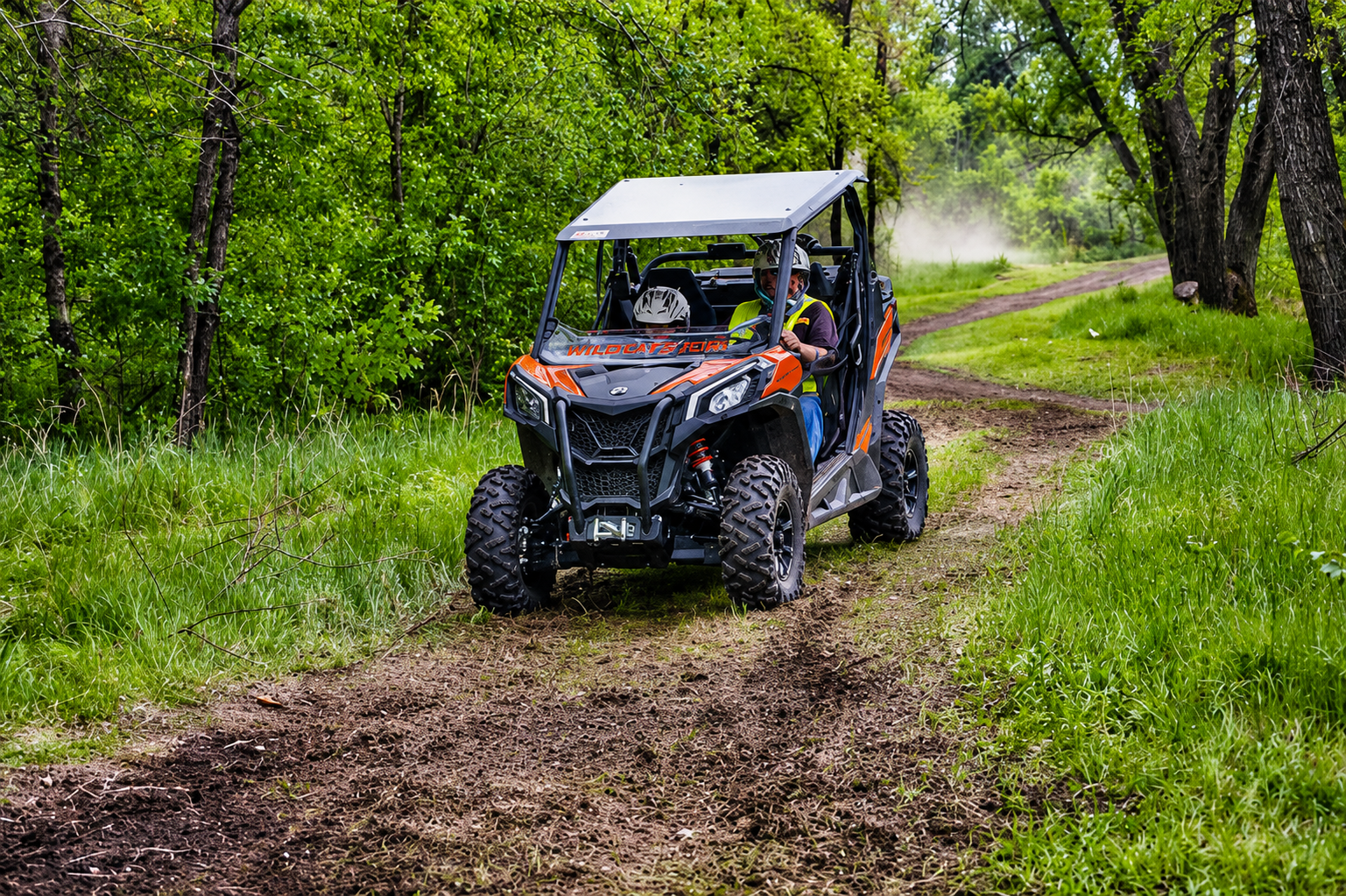
How Familiarity Can Reduce Situational Awareness
One of the biggest contributors to low-speed accidents is familiarity.
Operators who travel the same routes every day often develop automatic driving habits. While experience is valuable, it can also reduce active decision-making if operators assume conditions remain unchanged.
This mindset can lead to:
- Reduced hazard scanning
- Less attention to terrain changes
- Skipping equipment inspections
- Ignoring weather conditions
- Rushing between work assignments
Over time, these habits increase risk despite operators believing they are working safely.
Experience Should Support Safety, Not Replace It
Experienced operators possess valuable knowledge, but experience alone cannot eliminate hazards.
Worksites constantly change due to:
- Construction progress
- Seasonal weather
- Vehicle wear
- New employees
- Temporary obstacles
- Equipment movement
Effective UTV safety training reinforces that every trip requires the same level of attention regardless of how familiar the route may seem. At Southbrook Safety, our training programs emphasize continuous hazard awareness and safe operating practices, helping operators avoid the complacency that often contributes to routine workplace incidents.
Human Factors That Contribute to Low-Speed Accidents
Many workplace incidents are not caused by mechanical failures. Instead, they result from human behavior and decision-making.
Routine work often leads operators to believe that a task is simple because they have completed it hundreds of times before. This confidence can gradually reduce attention to safe operating practices.
Some of the most common human factors include:
- Complacency during familiar tasks
- Fatigue after long work shifts
- Distractions from radios, mobile devices, or conversations
- Rushing to complete assignments
- Failure to perform pre-operation inspections
- Poor communication between equipment operators and ground workers
These factors can combine to create situations where a relatively minor mistake results in property damage or serious injury.
Complacency Is One of the Biggest Safety Risks
Complacency develops when operators stop actively assessing risks because a task feels routine.
For example, an operator may:
- Skip checking tyre pressure because the vehicle “worked fine yesterday”
- Assume a familiar route has not changed
- Drive with an unsecured load for a short distance
- Forget to inspect brakes before starting work
- Operate without fully fastening the seat belt
Although these actions may seem minor, they significantly increase the likelihood of workplace incidents.
Quality UTV safety training helps operators recognize these habits before they become dangerous.
Why Employers Should Prioritize UTV Safety Training
Employers have a responsibility to provide workers with the knowledge and skills needed to operate workplace equipment safely.
Training does much more than teach employees how to drive a UTV. It helps them understand how to identify hazards, make informed decisions, and respond appropriately to changing workplace conditions.
A comprehensive safety training program can help employers:
- Reduce preventable workplace incidents
- Improve operator confidence
- Encourage consistent safety procedures
- Minimize equipment damage
- Support regulatory compliance
- Build a stronger workplace safety culture
- Improve hazard recognition
- Reinforce safe operating habits
When operators understand the reasons behind safety procedures, they are more likely to apply them consistently throughout the workday. At Southbrook Safety, we are committed to helping employers build safer workplaces through effective UTV safety training. Read our blogs for more practical insights, workplace safety tips, and operator training guidance.
Key Elements of Effective UTV Safety Training
Effective training should combine classroom instruction with practical, hands-on experience.
Operators should understand both the vehicle’s capabilities and its limitations.
Training programs should include:
- Pre-operation inspections
- Safe mounting and dismounting techniques
- Proper steering and braking methods
- Safe speeds for varying terrain
- Load limits and cargo security
- Passenger safety requirements
- Slope and hill operation
- Hazard identification
- Emergency response procedures
- Daily maintenance responsibilities
Employers should also encourage periodic refresher training to reinforce safe behaviors and address new workplace risks.
If your organization is developing broader operator competency across off-road equipment, incorporating UTV safety certification into your training program can help establish consistent operating standards and improve long-term workplace safety.
Practical Steps to Reduce Routine UTV Accidents
Preventing accidents requires more than reminding employees to “be careful.” Employers should implement structured procedures that promote safe behavior every day.
Conduct Daily Vehicle Inspections
Operators should inspect their UTV before every shift.
Daily inspections should include:
- Tyres
- Brakes
- Steering
- Lights
- Seat belts
- Fluid levels
- Cargo areas
- Safety devices
Identifying small maintenance issues early can prevent larger problems during operation.
Evaluate the Work Area Before Driving
Conditions can change overnight due to weather, construction activity, or equipment movement.
Operators should check for:
- Soft ground
- Standing water
- Loose gravel
- Fallen branches
- New excavations
- Pedestrian traffic
- Equipment operating nearby
Taking a few minutes to assess the worksite can significantly reduce the risk of low-speed accidents.
Secure Every Load Properly
Improperly secured tools and materials can shift while driving, affecting vehicle stability.
Employers should establish loading procedures that include:
- Even weight distribution
- Securing loose equipment
- Staying within manufacturer load limits
- Checking loads before travel
A properly balanced vehicle is easier to control and less likely to become unstable.
Encourage Operators to Report Hazards
Workers are often the first to notice changing conditions.
Encourage employees to report:
- Damaged trails
- New obstacles
- Mechanical concerns
- Unsafe driving behaviors
- Near misses
Early reporting allows employers to address issues before they contribute to future incidents.
Building a Strong Workplace Safety Culture
Safety is most effective when it becomes part of everyday operations rather than an occasional reminder.
Employers should promote a workplace culture where every operator understands that routine tasks deserve the same level of attention as more complex or hazardous work.
Simple practices can make a meaningful difference, including:
- Holding regular safety meetings
- Reviewing recent incidents and near misses
- Providing refresher training
- Encouraging open communication
- Recognizing safe operating behaviors
- Updating procedures as worksite conditions change
A strong commitment to workplace safety helps reduce complacency and keeps hazard awareness at the forefront of daily operations.
For organizations looking to strengthen operator knowledge across different types of off-road equipment, exploring additional safety training resources available through Southbrook Safety can help reinforce consistent workplace practices and support ongoing competency development.
Conclusion
Most UTV accidents do not occur during high-speed driving. Instead, they happen while operators perform routine tasks that seem familiar and low risk. Everyday activities such as transporting equipment, travelling established routes, loading materials, or working around changing job sites can quickly become hazardous when attention to safety begins to decline.
Investing comprehensive UTV safety training helps employers prepare operators to recognize hazards, make safer decisions, and follow consistent operating procedures regardless of how routine the task may appear. By combining practical instruction, regular inspections, and a proactive approach to workplace safety, organizations can reduce preventable incidents, protect employees, and improve operational efficiency.
If your organization is looking to strengthen UTV operator competency and create a safer working environment, Contact us to learn how Southbrook Safety can support your workplace training needs.
Frequently Asked Questions
1. Why do most UTV accidents happen during routine tasks?
Routine tasks often lead to complacency. Operators become familiar with their work environment and may pay less attention to changing hazards, increasing the risk of accidents.
2. What is the purpose of UTV safety training?
UTV safety training teaches operators how to identify hazards, operate vehicles safely, perform inspections, and respond appropriately to changing workplace conditions.
3. Is low-speed driving safer than high-speed driving?
While lower speeds generally reduce the severity of collisions, many workplace incidents still occur at low speeds due to poor visibility, uneven terrain, operator distraction, or improper loading.
4. Who should complete UTV safety certification?
Anyone who regularly operates a UTV in the workplace, including employees in construction, agriculture, utilities, landscaping, mining, and industrial environments, should receive appropriate training.
5. How often should UTV operators receive refresher training?
Employers should provide refresher training whenever workplace conditions change, new equipment is introduced, or periodic competency reviews identify areas for improvement.