

PPE Failure in Forestry Work: When Protective Equipment Doesn’t Perform as Expected
Personal protective equipment is an essential part of workplace safety, particularly in forestry, construction, land clearing, and other industries where workers may operate powerful cutting equipment.
However, PPE is not designed to eliminate every workplace hazard. Protective equipment can become damaged, incorrectly selected, improperly fitted, poorly maintained, or unsuitable for the conditions in which it is being used.
This creates an important issue for safety managers and employers: construction protective equipment should be treated as one part of a broader safety system, not as the only barrier between workers and hazards.
Southbrook Safety and Consulting Ltd. emphasizes practical safety training, hazard awareness, equipment knowledge, and appropriate workplace procedures. Its chainsaw safety training helps operators understand safe equipment uses and the importance of proper preparation.
What Does PPE Failure Actually Mean?
PPE failure does not always mean that protective equipment completely breaks apart during an incident.
Failure can occur in several ways.
Protective equipment may fail because it is damaged, worn beyond its intended condition, incorrectly selected, poorly maintained, improperly fitted, or used outside its intended application.
For example, a damaged helmet may not provide protection expected from an intact helmet. Similarly, protective chainsaw pants that have been compromised by excessive wear may not provide the same level of protection.
PPE can also fail as part of a system. If workers are not trained to inspect, maintain, wear, and replace their equipment correctly, even suitable PPE may not perform as intended.
Common Forms of PPE Failure
Safety managers should consider several potential failure points when reviewing PPE programs:
- Physical damage
- Excessive wear
- Incorrect sizing
- Poor fit
- Improper storage
- Contamination
- Inadequate maintenance
- Incorrect application
- Failure to inspect equipment
- Using expired or unsuitable protective products
- Lack of worker training
The lesson is simple: PPE is effective only when the right equipment is selected, maintained, correctly worn, and used within its intended purpose.
Why Forestry Creates Unique PPE Challenges
Forestry work can expose workers to changing and unpredictable conditions.
Unlike controlled indoor environments, forestry operations can involve uneven ground, branches, falling material, changing weather, vegetation, remote worksites, and powered cutting equipment.
The work environment itself can place additional demands on protective equipment.
For example, mud and moisture can affect equipment condition. Repeated movement through vegetation can cause clothing and protective equipment to become damaged. Long shifts can contribute to discomfort and fatigue, which may affect whether workers continue wearing PPE correctly.
This makes PPE selection and management particularly important.
PPE Must Match the Work Environment
The appropriate PPE depends on the task and the hazards involved.
A worker operating a chainsaw may require protection that addresses specific cutting hazards, while another worker performing different construction or maintenance activities may have different requirements. Operators can also benefit from understanding how chainsaw safety is affected by changing conditions, particularly when working in wet, humid, cold, or unstable environments.
Safety managers should therefore avoid treating PPE as a universal checklist.
Instead, organizations should evaluate:
- The work being performed
- The hazards present
- The equipment being operated
- Environmental conditions
- Worker movement and positioning
- PPE compatibility
- Inspection requirements
- Maintenance and replacement procedures
A hazard-based approach provides a stronger foundation than simply issuing standard equipment to every worker.
Understanding Chainsaw PPE Failure
Chainsaw PPE failure can occur when protective equipment is improperly selected, incorrectly used, poorly maintained, or relied upon as the only line of defence.
This is an important distinction.
A helmet, protective pants, gloves, boots, face protection, and hearing protection can reduce exposure to certain hazards. However, PPE cannot replace proper cutting technique, equipment inspection, hazard assessment, or safe work procedures.
Southbrook Safety’s chainsaw training addresses PPE as part of a broader safety process that includes physical and site preparation, hazard assessment, equipment inspection, cutting techniques, and maintenance.
Its online Chainsaw Safety course also covers safety requirements involving PPE.
How Chainsaw PPE Can Be Compromised
Potential issues include:
- Protective clothing becoming damaged
- Incorrect sizing or poor fit
- Improper use
- Missing required components
- Failure to inspect equipment
- Using damaged protective equipment
- Poor storage
- Failure to replace compromised equipment
A strong workplace program should make PPE inspection and maintenance a routine responsibility rather than an occasional activity.
PPE Has Limitations That Workers Need to Understand
One of the most important safety lessons is that PPE should not create a false sense of security.
Workers who believe their protective equipment makes them completely safe may take unnecessary risks.
For example, protective clothing does not make it acceptable to use unsafe cutting techniques. A helmet does not eliminate the risk of falling objects. Eye and face protection does not remove the need for proper work positioning.
PPE is the final layer in a hierarchy of controls.
Before relying on protective equipment, organizations should consider whether hazards can be eliminated, reduced, engineered out, or controlled through safer work practices.
PPE Should Support, Not Replace, Safe Work Practices
An effective safety program combines multiple controls.
These may include:
- Proper operator training
- Hazard identification
- Equipment inspections
- Safe work procedures
- Worksite planning
- Appropriate supervision
- Correct PPE
- Emergency preparedness
- Ongoing competency development
This layered approach reduces dependence on any single safety measure.
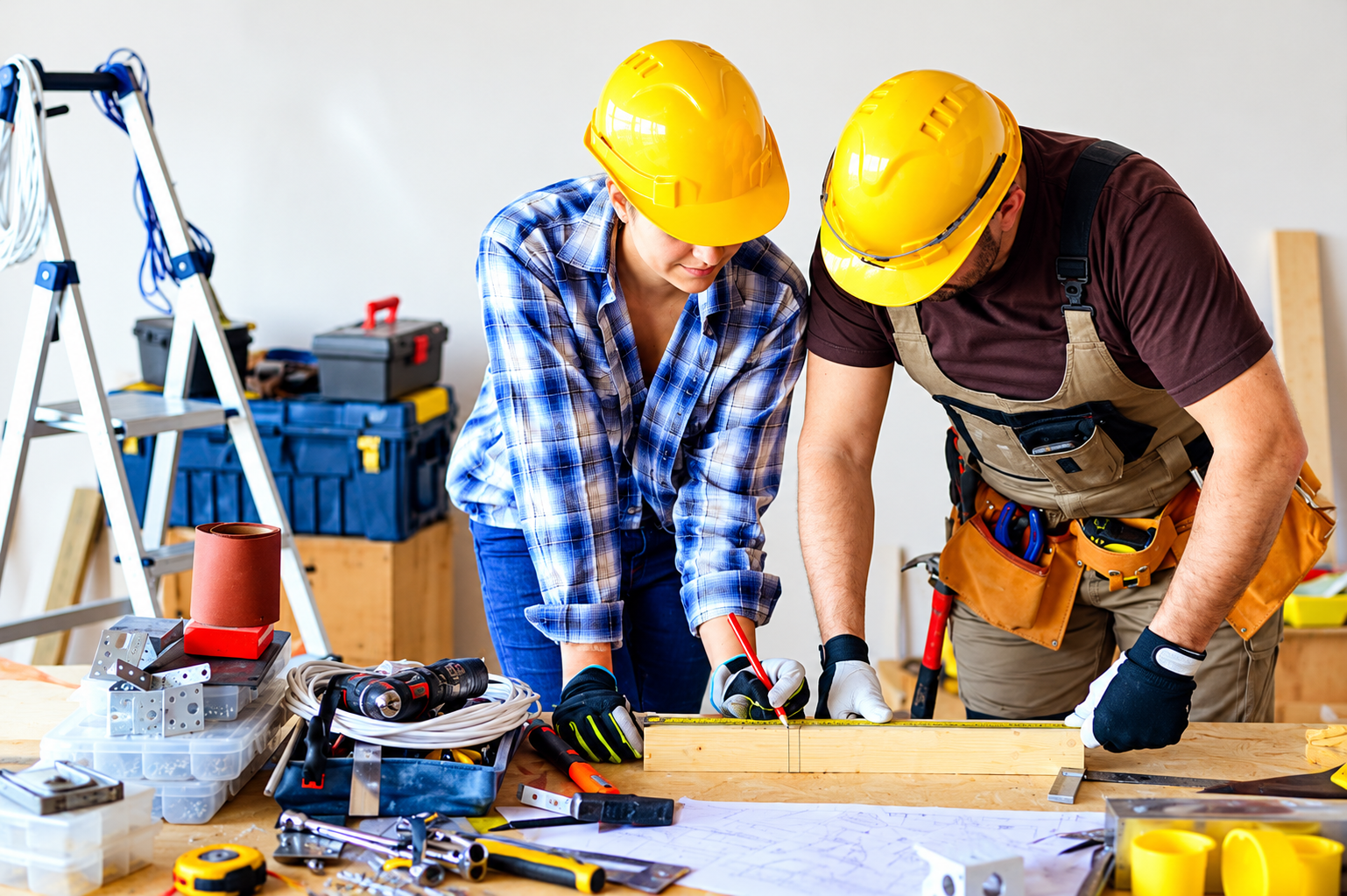
The Importance of Equipment Standards
Understanding equipment standards is another important part of managing PPE.
Safety managers should know what protective equipment is appropriate for the hazards workers face and ensure that equipment is selected and maintained according to applicable requirements.
PPE should not be selected solely because it looks protective or is commonly used in an industry.
Organizations should consider the intended application, compatibility with other PPE, fit, condition, and manufacturer requirements.
A helmet, for example, may need to work alongside hearing and face protection. Protective clothing must be appropriate for the specific cutting hazards workers face.
The goal is to build a compatible PPE system rather than a collection of unrelated products.
PPE Compatibility Is Often Overlooked
Workers frequently use multiple pieces of PPE at the same time.
A helmet may be combined with face protection and hearing protection. Gloves may need to provide protection while still allowing sufficient control of equipment. Protective clothing must allow workers to move safely without creating additional hazards.
If PPE items interfere with one another, workers may adjust or remove equipment to improve comfort.
That can undermine the original safety purpose.
Safety managers should therefore consider PPE compatibility when developing workplace requirements.
Fit and Comfort Affect PPE Use
Poorly fitting PPE can create several problems.
Workers may experience:
- Restricted movement
- Reduced visibility
- Discomfort
- Heat buildup
- Reduced dexterity
- Difficulty hearing
- Pressure points
- Increased fatigue
These problems may encourage workers to adjust equipment improperly or stop using it.
Proper fit should therefore be considered a safety issue, not simply a comfort preference.
Inspecting PPE Before Work Begins
PPE inspection should be incorporated into normal pre-work routines.
Workers should know what damage or wear to look for and understand when equipment should be removed from service.
Depending on the equipment, inspection may involve checking for:
- Cracks
- Tears
- Cuts
- Broken components
- Excessive wear
- Missing parts
- Contamination
- Damaged fasteners
- Deformed protective components
- Other signs of compromised condition
If protective equipment is damaged or its protective capability is uncertain, workers should follow the organization’s established replacement and reporting procedures.
This process should be reinforced through training and supervision.
The Role of Training in Preventing PPE Failure
Even the best PPE program can fail if workers do not understand how to use it.
Training should explain not only what PPE workers need, but also why it is required and what its limitations are.
Workers should understand:
- Which PPE is required for their task
- How to put it on correctly
- How to adjust it
- How to inspect it
- How to clean and store it
- When it should be removed from service
- What hazards it does and does not address
Southbrook Safety’s training philosophy emphasizes practical application and workplace safety awareness. This approach is particularly relevant to chainsaw operators because PPE is only one part of safe equipment operation.
Organizations can also review Southbrook Safety’s broader safety consulting services when evaluating workplace safety programs and hazard controls.
What Safety Managers Should Include in a PPE Program
A strong PPE program should be supported by clear procedures.
Safety managers can consider including the following:
| PPE Program Element | Key Consideration |
| Hazard assessment | Identify hazards before selecting PPE |
| PPE selection | Match equipment to the task |
| Fit testing or fitting | Ensure appropriate fit where applicable |
| Worker training | Teach proper use and limitations |
| Inspection | Identify damage and excessive wear |
| Maintenance | Keep PPE in suitable condition |
| Storage | Prevent unnecessary damage |
| Replacement | Define when equipment must be removed |
| Supervision | Reinforce correct PPE use |
| Documentation | Maintain appropriate workplace records |
This framework helps move PPE management from a simple equipment-issue process to a structured safety system.
Warning Signs That a PPE Program Needs Review
Safety managers should periodically evaluate whether the existing PPE program is still effective.
Certain warning signs may indicate a need for review.
These include:
- Workers regularly modifying PPE
- Damaged equipment remaining in service
- Employees reporting discomfort
- Frequent PPE complaints
- Workers removing PPE during tasks
- Unclear replacement procedures
- Inconsistent PPE inspection
- Different standards being used across crews
- Workers unsure about PPE limitations
- PPE requirements not matching actual job hazards
These issues should not automatically be treated as worker non-compliance.
They may indicate that the organization needs to review equipment selection, training, supervision, fit, or procedures.
Why PPE Alone Cannot Control Chainsaw Hazards
Chainsaw work requires a combination of controls.
Even properly selected construction protective equipment cannot prevent every incident.
The operator must understand the equipment and its limitations. The worksite must be assessed. Cutting techniques must be appropriate. Other workers must be considered. Equipment must be inspected before use.
This is why professional chainsaw training remains an important part of workplace safety.
Southbrook Safety has extensive experience in chainsaw safety training and has been involved in chainsaw proficiency program development and revision. Its training approach is based on established professional chainsaw safety techniques and emphasizes practical skills.
Employers can learn more about the company’s training approach through the Chainsaw Training program. Read our blogs for more helpful insights and practical information on workplace safety, training programs, and hazard prevention.
Building a More Reliable PPE Culture
A reliable PPE culture goes beyond telling workers to wear their equipment.
It requires leadership, training, communication, supervision, and accountability.
Managers and supervisors can strengthen PPE practices by:
- Discussing PPE during safety meetings
- Reviewing equipment condition regularly
- Encouraging workers to report damaged PPE
- Addressing fit and comfort concerns
- Reinforcing PPE limitations
- Including PPE in hazard assessments
- Providing task-specific training
- Reviewing incidents and near misses
- Updating procedures when conditions change
Workers should also understand that reporting damaged or unsuitable PPE is a positive safety action.
The objective is to identify problems before protective equipment is needed during an incident.
How Professional Safety Consulting Can Help
PPE management is only one component of an effective workplace safety program.
Organizations may also need support with hazard assessments, site HSE practices, supervision, safety procedures, audits, and training.
Southbrook Safety and Consulting Ltd. provides safety consulting, site HSE support, site supervision, site hazard evaluations, and COR audit services alongside its operator training programs.
This combination can help businesses approach workplace safety from both a training and management perspective.
For organizations reviewing their overall safety program, the Safety Consulting page provides an appropriate starting point for understanding available support.
Conclusion: Treat PPE as One Layer of Protection
PPE plays an essential role in forestry, construction, chainsaw operation, and other hazardous work environments. However, protective equipment should never be treated as a complete solution to workplace hazards.
Construction protective equipment can become compromised through damage, wear, poor fit, incorrect use, inadequate maintenance, or unsuitable selection. Understanding these limitations allows safety managers to build stronger systems around PPE rather than relying on it as the sole line of defence.
Southbrook Safety and Consulting Ltd. brings practical experience in chainsaw safety, workplace training, hazard evaluation, and safety consulting. A strong PPE program starts with understanding the hazards and ensuring workers have the knowledge, equipment, and procedures needed to manage them.
If your organization wants to review its PPE practices, strengthen chainsaw safety, or improve its broader workplace safety program, Contact us to discuss how Southbrook Safety and Consulting Ltd. can support your team.
Frequently Asked Questions
1. Can PPE fail during forestry work?
Yes. PPE can become damaged, worn, improperly fitted, incorrectly used, or unsuitable for specific conditions. Regular inspection and appropriate maintenance are essential.
2. What causes chainsaw PPE failure?
Common causes include physical damage, excessive wear, poor fit, improper use, inadequate inspection, and using protective equipment outside its intended application.
3. Does PPE eliminate chainsaw hazards?
No. PPE is one layer of protection. Safe training, hazard assessment, proper equipment use, work procedures, and supervision are also essential.
4. Why are equipment standards important for PPE?
Equipment standards help organizations select protective equipment appropriate for identified workplace hazards. They also support consistent PPE selection, use, and management.
5. How can businesses improve PPE safety?
Businesses can improve PPE safety through hazard assessments, appropriate equipment selection, worker training, regular inspections, proper maintenance, supervision, and clear replacement procedures.