
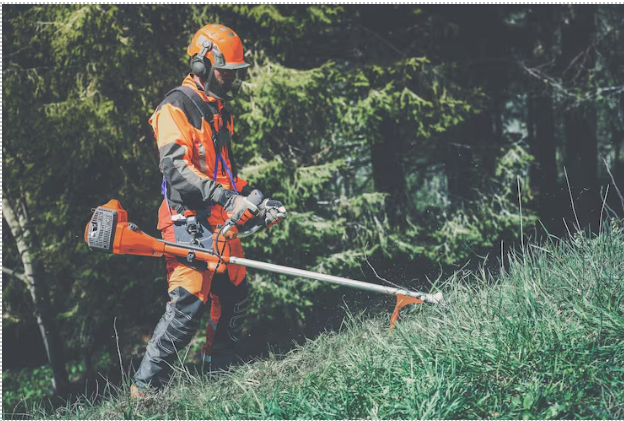
Brush Saw Certification: Why It Matters for Land Clearing Projects
Land clearing is a vital part of forestry, landscaping, and vegetation management, but it comes with significant safety risks. Proper training is essential to ensure that workers handle equipment safely and efficiently. This is where Southbrook Safety and Consulting Ltd. plays a crucial role. The company provides industry-recognized safety courses in Alberta, including specialized Brush Saw Certification programs designed to promote safety, efficiency, and compliance.
Brush saw certification ensures that operators are well-versed in risk assessment, proper handling, maintenance, and inspection procedures. Through a combination of theoretical learning and hands-on exercises, certified professionals can confidently manage vegetation control projects while reducing hazards and meeting regulatory standards.
Understanding Brush Saw Certification
Brush saw certification involves completing an accredited training course that focuses on the safe and effective operation of brush cutters or clearing saws. Participants gain practical and theoretical knowledge covering risk assessment, hazard control, pre-use checks, and safe operating techniques.
Training programs emphasize both safety and efficiency. Individuals learn to inspect, maintain, and operate brush saws under the supervision of certified instructors. Upon successful completion, trainees receive a certificate of completion, verifying that they meet industry safety standards and are qualified for professional use in fields such as forestry, landscaping, and horticulture.
To learn more about how Southbrook’s program works, visit Brush Saw Certification Alberta.
Why Brush Saw Certification Matters for Land Clearing Projects
Proper certification ensures not just compliance but also safety, efficiency, and professionalism in land management tasks. Below are the key reasons why brush saw certification is essential for land clearing projects:
- Safety Assurance: Certified operators understand hazard identification, safe operation zones, and emergency response procedures.
- Increased Efficiency: With structured training, workers can perform land clearing faster and with greater precision.
- Reduced Downtime: Knowledge of brush saw maintenance and inspection helps prevent mechanical failures and delays.
- Compliance: Meeting Alberta’s safety training standards ensures legal compliance for organizations.
- Environmental Care: Trained professionals use responsible brush saw cutting techniques to minimize damage to surrounding vegetation.
When professionals undergo accredited training from trusted providers such as Southbrook Safety and Consulting Ltd., they are not only protecting themselves but also ensuring that every project is conducted with expertise and accountability.
Key Components of Brush Saw Certification Training
A professional brush saw certification program consists of both theoretical modules and hands-on learning. Participants gain essential competencies in areas that directly impact field safety and performance.
1. Risk Assessment and Hazard Control
Every project begins with identifying potential hazards such as uneven terrain, weather conditions, and nearby obstacles. Trainees learn to perform thorough risk assessments before operating equipment.
2. Pre-Use Checks
Inspecting a brush saw before use is crucial for safety. Courses teach participants how to conduct brush saw maintenance and inspection, including checking for fuel leaks, sharpness of the blade, handle stability, and harness condition.
3. Proper Operation Techniques
Certified instructors demonstrate effective brush saw cutting techniques, emphasizing control, stance, and ergonomics to reduce fatigue and increase accuracy. Training includes methods for directional felling and trimming to avoid kickbacks.
4. Maintenance and Troubleshooting
Proper care extends the lifespan of the equipment. Operators are trained in cleaning, lubrication, blade replacement, and storage procedures. Preventive maintenance reduces operational costs and downtime.
5. Certification and Evaluation
After completing practical exercises and written assessments, participants receive a Brush Saw Certification that verifies their competence in safety, handling, and equipment care.
For detailed course information and schedules, visit Brush Saw Safety Courses Alberta.
Brush Saw Cutting Techniques for Safer Operations
Efficient and safe land clearing depends on mastering correct cutting methods. In professional training programs, operators learn advanced brush saw cutting techniques that balance power and precision.
Key methods include:
- Sweep Cutting: Ideal for small vegetation; involves side-to-side motion for smooth trimming.
- Step Cutting: Used for larger saplings, cutting in steps to prevent blade jamming.
- Undercut and Top Cut Combination: Helps control fall direction and prevents splintering.
- Circular Motion Cutting: Efficient for thick growth areas to maintain consistent blade motion.
Practicing these techniques ensures not only cleaner cuts but also improved safety during extended operations.
Importance of Regular Brush Saw Maintenance and Inspection
A well-maintained brush saw operates safely and efficiently. Routine brush saw maintenance and inspection are vital to identify issues before they become hazards. Certified operators are trained to check components such as:
Essential Maintenance Tasks and Their Frequency
Through structured maintenance routines, operators ensure operational safety and compliance with industry standards.
For practical training on maintenance, explore Brush Saw Safety Training.
| Maintenance Task | Frequency | Purpose |
| Blade sharpening and replacement | Weekly or as needed | Ensures clean cuts and reduces vibration |
| Air filter cleaning | Weekly | Prevents engine clogging and overheating |
| Fuel and oil inspection | Daily | Avoids performance issues and engine wear |
| Handle and harness check | Daily | Maintains comfort and control |
| Safety guard inspection | Weekly | Protects operator from debris and sparks |
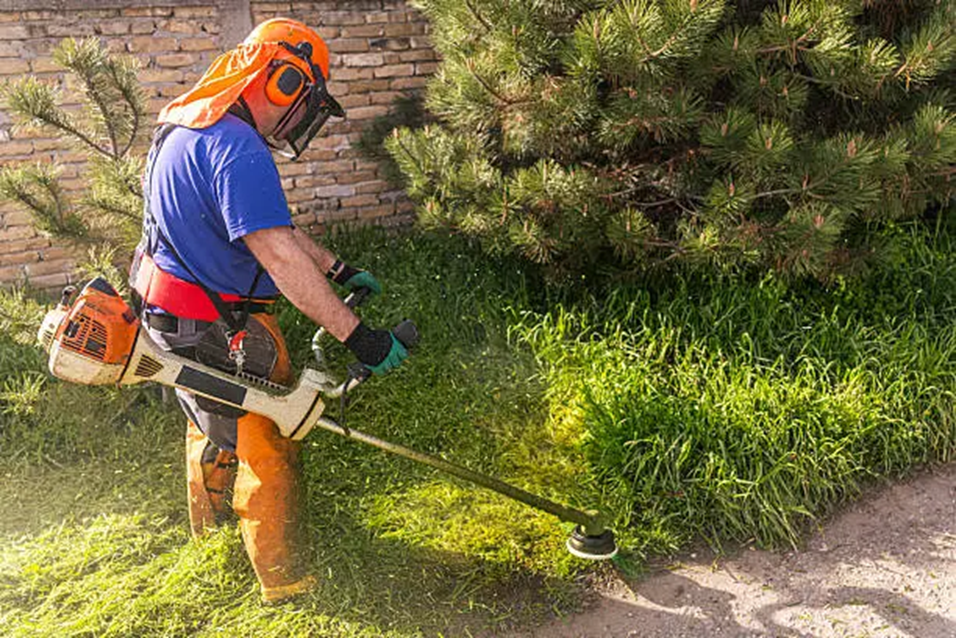
Brush Saw Safety Courses in Alberta: Meeting Industry Standards
Professional brush saw safety courses in Alberta are designed to align with occupational safety regulations and best practices. Southbrook Safety and Consulting Ltd. offers comprehensive programs that include classroom instruction and field-based exercises.
Participants learn about:
- Personal protective equipment (PPE) selection and use
- Emergency response planning
- Communication protocols in team-based projects
- Environmentally responsible vegetation control practices
Completing a recognized brush saw safety training program enhances employability and assures employers that workers are equipped to manage tools responsibly in various work conditions.
Practical Exercises: Hands-On Learning for Real Results
One of the defining aspects of Southbrook’s brush saw certification Alberta programs is hands-on training. Trainees practice with real equipment under expert supervision, developing the confidence and precision necessary for field applications.
Practical exercises simulate real-world challenges, allowing learners to refine their decision-making, balance, and cutting control. This applied learning approach bridges the gap between theory and practice, making certified professionals more effective and safer on the job site.
What You Can Expect from a Brush Saw Certification Course
Participants can expect comprehensive instruction that combines theory and practice, ensuring readiness for professional use:
- Training: Covers risk assessment, hazard control, pre-use checks, maintenance, and safe operating techniques.
- Practical Exercises: Hands-on learning under certified instructors to reinforce skills and confidence.
- Certification: A certificate of completion confirming compliance with industry safety standards.
To register or learn more about available schedules, contact the team through Southbrook Safety’s contact page.
Benefits of Earning a Brush Saw Certification
Earning a recognized certification offers both career and safety advantages, including:
- Compliance with occupational safety regulations
- Enhanced skill and job readiness
- Reduced workplace incidents
- Better productivity and project outcomes
- Recognition of professional competency
In Alberta’s competitive industries, having a brush saw certification can significantly improve employment opportunities while ensuring safer work practices.
Conclusion: Empowering Safer Land Clearing with Southbrook Safety
In any land clearing project, safety and efficiency go hand in hand. Completing a brush saw certification ensures that operators possess the technical skill and safety awareness needed for effective vegetation management. Through training programs offered by Southbrook Safety and Consulting Ltd., professionals can gain the confidence and qualifications required to meet Alberta’s safety and performance standards.
Whether you’re a beginner or an experienced operator, investing in brush saw safety training is an essential step toward a safer and more productive career in land clearing and vegetation control.
FAQs About Brush Saw Certification
1. What is brush saw certification?
Brush saw certification is a formal training process that teaches safe operation, maintenance, and hazard management for brush cutters or clearing saws.
2. Who should take a brush saw safety course in Alberta?
Anyone involved in forestry, landscaping, or vegetation management who operates a brush saw should enroll in brush saw safety courses Alberta to meet safety compliance standards.
3. How long does brush saw certification last?
Certifications typically remain valid for several years, after which refresher training may be required to stay up to date with current safety practices.
4. What does brush saw maintenance and inspection include?
It involves regular checks on fuel systems, blade sharpness, harness condition, and air filters to ensure the tool’s safe operation and longevity.
5. Where can I register for training?
You can explore available programs and contact certified trainers at Southbrook Safety and Consulting Ltd..