
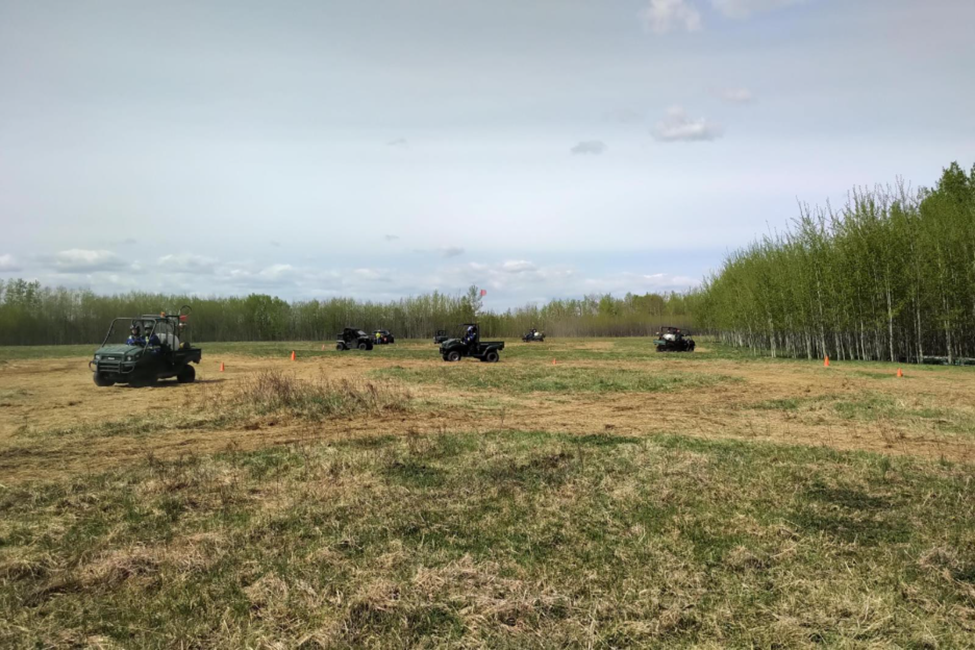
How to Get Your UTV Safety Certification
Utility Terrain Vehicles continue to play a vital role in many work environments, from construction sites to environmental surveying and agricultural operations. As their use grows, so does the responsibility placed on operators to navigate terrain safely and handle equipment correctly. A formal UTV safety certification ensures operators understand safe driving techniques, risk identification, pre-trip inspections, and proper load handling.
Proper certification benefits both individual operators and employers by reducing workplace accidents and improving operational efficiency. Reputable providers, such as Southbrook Safety & Consulting Ltd., ensure their courses follow recognized industry expectations and safety standards. Learners preparing to operate UTVs must take time to choose a comprehensive and reputable training path that develops confidence and situational awareness. Ensuring proper education and understanding of UTV mechanics is essential for consistent field safety.
To explore training options, you can visit their homepage using the keyword: online UTV training
Why UTV Safety Certification Matters
UTVs are powerful tools that allow workers to move equipment, supplies, and personnel across challenging surfaces. While highly capable, they also require deliberate and informed operation. Without certification, operators often underestimate slopes, misjudge speed, or overlook essential safety checks. A structured UTV safety course reduces these risks by teaching foundational concepts like vehicle stability, center of gravity, terrain scanning, and hazard anticipation.
Certification also ensures workers understand how to respond when conditions change suddenly, such as when surfaces become slippery or visibility drops. Southbrook Safety & Consulting Ltd. offers structured training that ensures each operator learns to balance safety with productivity. Their programs help reinforce habits such as consistent communication, effective planning, and awareness of environmental conditions. These skills result in fewer incidents and smoother day-to-day operations across various work settings.
Explore their service options with: UTV courses near me
UTV Safety Requirements
Employers are responsible for ensuring operators are trained, competent, and aware of potential hazards associated with off-highway vehicles. Certification ensures compliance with workplace expectations and demonstrates that individuals understand the importance of pre-trip checks, proper PPE, and hazard awareness. Operators also learn how to identify mechanical warning signs, assess environmental risks, and understand weight distribution principles before starting the machine.
UTV requirements typically include documented training, ongoing supervision, and refresher courses to maintain competency. These steps ensure operators remain confident and capable as conditions or vehicles change. Training with a knowledgeable provider such as Southbrook Safety & Consulting Ltd. ensures that learners receive practical instruction backed by real operational experience. Understanding the full scope of safety expectations helps reduce preventable incidents and improves overall workplace reliability.
Learn more or register using: UTV training course
Types of UTV Training Available
Operators learn best when training aligns with their experience, schedule, and role. Various formats exist to support diverse needs.
1. Online UTV Training
Online UTV training provides flexibility for learners who prefer completing theory modules remotely. These courses explain essential topics, including vehicle components, handling fundamentals, stability, route planning, and emergency preparedness. Online learning helps reduce downtime and allows workers to complete training without disrupting work schedules.
For learners preparing for practical evaluations, online modules serve as a solid foundation. Southbrook Safety & Consulting Ltd. offers courses that break down complex safety topics into clear, easy-to-understand lessons. This allows operators to build familiarity with essential skills before stepping into hands-on training. The digital format is especially useful for remote workers, seasonal employees, and individuals who need to review material at their own pace.
Learn more at: online UTV training
2. In-Person UTV Courses
Individuals searching for UTV courses near me often prefer hands-on training to develop real operational skills. Practical sessions take place in controlled environments, allowing learners to practice vehicle handling, safe turning, braking, climbing, descending, and navigating uneven surfaces. Instructors can correct unsafe practices in real time, helping operators refine their decision-making process.
In-person training builds confidence by allowing learners to test their judgment in realistic scenarios while receiving immediate feedback. Southbrook Safety & Consulting Ltd. incorporates field-based challenges that mirror the variable conditions workers commonly encounter. This ensures learners are prepared for practical demands once they return to their job sites. In-person sessions remain one of the most effective ways to ensure true operational competency.
Course details available at: UTV courses near me
3. Blended UTV Training Course
A blended UTV training course combines the convenience of digital theory with the critical experience of hands-on training. This approach allows learners to complete foundational modules online, then attend a practical session to demonstrate their understanding in real operating conditions. The combination ensures operators learn both conceptual and practical aspects of safe UTV operation.
Employers appreciate the efficiency of blended courses because they accommodate different team schedules while maintaining high training standards. Southbrook Safety & Consulting Ltd. structured their blended training to enhance comprehension, allowing learners to review theory at their own pace before attending the physical session for evaluation. This format is ideal for workers balancing seasonal demands, shift schedules, or remote duties.
Register using: UTV training course

How to Choose the Right UTV Safety Course
Selecting the right provider ensures your training is both practical and meaningful.
1. Industry-Recognized Curriculum
A quality UTV safety course should follow structured safety standards and include assessments that measure true operator competency. Comprehensive programs must cover hazard identification, equipment checks, maneuvering techniques, and safe passenger transport. A well-built curriculum ensures operators are fully prepared for field work and can apply best practices consistently. When researching programs, many learners explore reputable resources such as online UTV training to ensure the course aligns with recognized industry requirements and provides a clear pathway toward earning a verified UTV safety certification.
2. Skilled Instructors
Experienced instructors play a crucial role in helping operators understand real-world challenges and situations that go beyond standard theory modules. Trainers at Southbrook Safety & Consulting Ltd. share practical insight gained from years of hands-on experience, allowing participants to learn safe handling, hazard anticipation, and effective decision-making. Their instructional approach merges field knowledge with clear, structured explanations, supporting learners of all levels. Individuals searching for UTV courses near me often prioritize instructor expertise because it directly influences confidence, applied learning, and long-term safety habits.
3. Practical Driving Time
True competency is developed during hands-on practice, where learners apply theoretical knowledge through real driving tasks such as braking, climbing, descending, route planning, and obstacle navigation. Supervised field instruction provides opportunities to correct mistakes early and recognize hazards in live environments. Practical training also helps operators understand machine limitations, traction changes, and stability factors under varied terrain conditions. Those who register for a structured UTV training course experience guided coaching that strengthens situational awareness and builds a strong foundation for safe daily operations.
4. Safe and Updated Equipment
Quality instruction must include properly maintained vehicles, up-to-date safety features, and guidance on selecting and using essential PPE. Access to safe equipment helps learners build correct habits from the beginning and reduces the likelihood of unsafe practices forming during training. A reliable provider will maintain their UTV fleet regularly and teach participants how to perform accurate pre-trip inspections. Many operators seek additional resources such as online UTV training to complement practical lessons and reinforce equipment-related knowledge that improves long-term safety performance.
5. Flexible Course Options
Workplaces with varied schedules or remote worksites benefit from UTV safety training solutions that offer diverse learning formats, including online, in-person, and blended models. Flexibility ensures employees can complete training without interrupting essential duties or delaying project timelines. Many learners appreciate self-paced digital lessons paired with practical instruction that fits their availability. Providers like Southbrook Safety & Consulting Ltd. support this need by offering adaptable programs such as UTV training course online designed to accommodate rotating shifts, seasonal work demands, and organizational training cycles.
Steps to Get Your UTV Safety Certification
Obtaining certification requires completing specific steps that build both theoretical understanding and practical capability.
Step 1: Register for Training
Operators begin by selecting the training format that best fits their learning style and schedule, whether online, blended, or delivered fully in person. This first step ensures participants understand what each option includes, helping them prepare for both theoretical and hands-on components. Many learners begin by exploring options such as an UTV training course to determine availability, course length, and required prerequisites. This initial registration stage is essential in setting the foundation for safe and effective operator development.
Step 2: Complete the Theory Section
The theory portion introduces learners to essential UTV principles, including equipment components, hazard identification, loading guidelines, and communication protocols. Operators also learn how environmental conditions affect stability and traction, reinforcing why preparation and awareness are critical before starting any task. Participants often complement their learning through structured resources like online UTV training, which allows them to review safety expectations at their own pace. Completing this theoretical stage ensures learners have a strong baseline understanding before advancing to the practical portion.
Step 3: Participate in Practical Training
Hands-on training helps operators translate theoretical knowledge into real-world performance. During these sessions, learners practice navigating slopes, maintaining appropriate speeds, and managing stability while maneuvering across varied terrain. Instructors guide participants through controlled drills that resemble workplace conditions, offering corrective feedback and reinforcing best practices. Many learners preparing for the practical session begin with blended formats such as a UTV training course online to ensure they fully understand key concepts before operating the equipment. This stage strengthens confidence and builds essential field skills.
Step 4: Demonstrate Competency
To complete training, learners must demonstrate that they can operate the UTV safely and consistently. This includes showing proper use of controls, navigating obstacles, responding calmly to unexpected conditions, and communicating effectively with others on-site. Competency assessments evaluate both technique and decision-making, ensuring operators can think critically in real-time scenarios. Employers often expect operators to be familiar with course standards found in structured UTV safety training programs, validating that the operator meets required safety expectations.
Step 5: Receive Certification
Once an instructor confirms competency, the operator receives their UTV safety certification, which serves as formal acknowledgment that they understand safe operation, hazard recognition, and equipment handling. Certification helps employers verify that workers meet internal safety requirements and can confidently manage UTV responsibilities. Many participants choose to refresh their knowledge periodically using supplementary resources like online UTV training to stay aligned with evolving workplace standards. Receiving certification marks the final step in developing a trained, accountable, and safety-focused operator.
What You Will Learn in a UTV Training Course
A professional UTV training course online or in-person provides detailed instruction in essential safety components.
| Training Module | Description | Skills Gained |
| Pre-Trip Inspection | Identify mechanical problems and safety concerns | Equipment awareness |
| Terrain Assessment | Understand slope hazards, loose surfaces, and obstacles | Judgment and planning |
| Load Safety | Improve balance and secure passengers and cargo | Stability control |
| PPE Requirements | Know the required clothing and gear | Injury reduction |
| Machine Handling | Learn braking, climbing, steering, reversing | Controlled operation |
| Emergency Response | Practice handling unexpected hazards | Incident prevention |
Who Needs UTV Safety Certification?
Certification supports workers in construction, land management, forestry, oil and gas operations, agricultural work, environmental field tasks, and recreation. Anyone tasked with driving or maintaining UTVs benefits from training because it ensures consistent safety and operational reliability.
Even experienced operators often discover new risks during training sessions that refine their judgment and awareness. Certification reinforces proper loading, communication, navigation, and hazard recognition. Southbrook Safety & Consulting Ltd. provides courses designed to support both beginners and seasoned operators seeking updated training.
Explore course listings: UTV courses near me
Common Mistakes New UTV Operators Make
New operators often misjudge speed, underestimate slope angles, or fail to complete thorough pre-trip inspections. Overconfidence can also lead to sharp turns, unstable loads, or poor visibility decisions. These errors can result in rollovers, mechanical damage, or injuries.
With structured training from Southbrook Safety & Consulting Ltd., learners develop disciplined habits, such as using designated routes, adjusting for environmental changes, and maintaining proper control at all times. Training helps operators anticipate hazards before they arise, reducing the likelihood of preventable incidents.
Learn more: UTV safety course
Why Choose a Local Training Provider
Local trainers understand the environmental conditions and operational demands that workers encounter regularly. This includes varied surfaces, unpredictable weather, and remote access areas. These factors influence how UTVs behave and what precautions operators must follow.
When looking for UTV courses near me, choosing an experienced regional provider offers realistic training that reflects actual field challenges. Southbrook Safety & Consulting Ltd. designs their sessions around common worksite scenarios, helping operators gain confidence in conditions similar to their daily tasks.
How Employers Benefit from UTV Safety Certification
Employers gain stronger compliance, reduced incidents, lower repair expenses, and improved productivity when operators are properly certified. Workers who understand safety expectations communicate better, operate more responsibly, and help maintain a consistent culture of safety.
A training provider such as Southbrook Safety & Consulting Ltd. helps organizations ensure due diligence, build operational trust, and maintain safer work environments. Investing in proper training reduces long-term risks associated with untrained operation.
Explore services: online UTV training
Conclusion
Completing a UTV safety certification helps operators work confidently and responsibly. Whether choosing online UTV training, blended formats, or in-person sessions, certification builds essential skills such as hazard awareness, machine handling, and emergency readiness.
Training from Southbrook Safety & Consulting Ltd. equips workers with the knowledge and practical experience needed for safe field operations. Their structured approach supports both new learners and experienced operators seeking to update their skills.
Take the next step in improving your safety and proficiency by enrolling in a UTV training course today. Visit Southbrook Safety & Consulting Ltd. to find a course near you or explore UTV training course online options for flexible learning.
For more tips and insights, check out our UTV safety training blog and stay updated on best practices for safe and responsible riding.
FAQ
1. How long does UTV training take?
Courses generally last a few hours to a full day depending on theory and practical components.
2. Is online learning enough?
Online theory is helpful, but practical evaluation is typically required for full certification.
3. How long is certification valid?
Certificates remain valid for several years depending on workplace policy.
4. Do beginners need experience before enrolling?
No. Courses support all skill levels.
5. Is equipment provided?
Many providers, including Southbrook Safety & Consulting Ltd., provide equipment during practical training.